
China and the Platform Economy
Chinese Premier Li Qiang Wednesday presided over a meeting with representatives from the country's major platform operators, listening to their opinions and suggestions on promoting the well-regulated, healthy, and sustainable platform-economy development.
The platform economy has boosted demand, provided an engine for innovation and development, created new channels for employment and entrepreneurship, and offered support for public services, Li said after hearing opinions from the companies, including the on-demand retail and delivery platform Meituan, social media platform Xiaohongshu, and short-video platform Douyin.
The platform economy has taken an increasingly prominent position in China's overall development, Li said. He added that the platform economy would have a more significant role as the country embarks on a new journey to build itself into a modern socialist country.
He encouraged the platform enterprises to stay confident and look ahead to lead in development, creating jobs and international competition.
Li stressed that governments at all levels should strive to create a fair market environment for competition and improve policies on investment access and security assessments for new technologies and businesses.
The governments should also optimize the transparent and predictable regulatory systems to reduce the compliance costs of those enterprises and promote the sound development of the industry, Li added.
He underlined efforts to establish and improve regular communication mechanisms with platform enterprises, promptly understand their problems and demands, and improve relevant policies and measures to promote the well-regulated, healthy, and sustainable development of the platform economy.
Vice Premier Ding Xuexiang attended the meeting.
The platform economy is a term used to describe the economic system that has emerged around digital platforms. These platforms, such as Amazon, Uber, and Airbnb, facilitate transactions between two or more parties.
Platforms can be classified into two main types: intermediating platforms and enabling platforms. Intermediating platforms connect buyers and sellers, such as Amazon and eBay. Enabling platforms provide tools and infrastructure that allow users to collaborate and create value, such as GitHub and Airbnb.
The platform economy has grown rapidly in recent years. In 2020, the global platform economy was worth an estimated $3.9 trillion. This growth is being driven by a number of factors, including the increasing adoption of smartphones and the rise of the internet.
The platform economy has a number of benefits. It can increase efficiency and productivity, lower prices, and provide new opportunities for businesses and consumers. However, the platform economy also has a number of challenges. These challenges include the concentration of power in the hands of a few large platforms, the potential for market manipulation, and the lack of regulation.
The platform economy is a complex and rapidly evolving system. It is still too early to say what the long-term impact of the platform economy will be. However, it is clear that the platform economy is having a significant impact on the way we live and work.
Here are some of the key characteristics of the platform economy:
Digitalization: The platform economy is enabled by digital technologies, such as the internet and smartphones.
Network effects: Platforms are more valuable the more users they have. This is because each new user adds value to the platform for all other users.
Two-sided markets: Platforms typically operate in two-sided markets, where they connect two different groups of users, such as buyers and sellers.
Data-driven: Platforms collect and use large amounts of data about their users. This data can be used to improve the platform's performance and to target users with advertising.
Disintermediation: Platforms often disintermediate traditional intermediaries, such as travel agents and retailers. This can lead to lower prices for consumers.
The platform economy has a number of implications for businesses and consumers. For businesses, the platform economy can provide new opportunities to reach new customers and to grow their businesses. For consumers, the platform economy can provide access to new products and services, and it can make it easier to find and compare prices.
The platform economy is still in its early stages of development, and it is unclear what the long-term impact of the platform economy will be. However, it is clear that the platform economy is having a significant impact on the way we live and work.

AI is the Neat Handwriting of the Illiterate
A model in the hands of someone who has read the filing and walked the plant is a clerk. The same model, speaking for someone who has done neither, is a disguise. On AI slop, phantom citations and factslop, why finish stopped being evidence of work, and the containment layer KXCO built so a machine cannot speak as the institution until a source is attached.
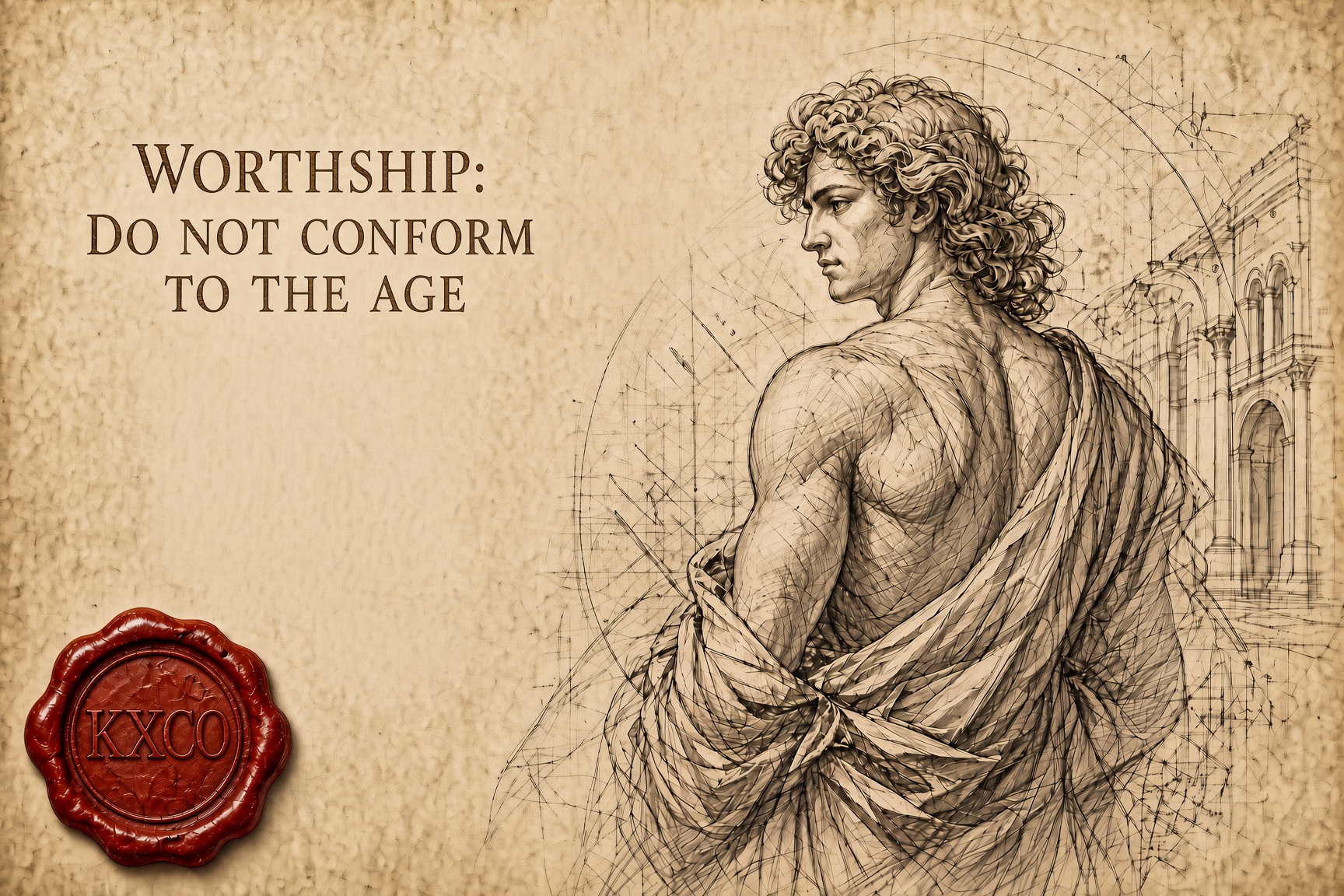
Worthship: Do Not Conform to the Age
Worthship is the older English word for worship, and it means to ascribe worth. Bishop Robert Barron preached Romans 12 on 30 August. This essay follows the text into the prison letters, and puts two questions to a graph: do the four readings of that Sunday agree, and was Paul free or in chains when he wrote about despair?
The Truth in All Its Ugliness Must Survive
A majority vote does not determine the truth. Consensus is a mood, gossip is a sport, and a model will write the pretty version for free. Why the ugly number has to survive, why a record beats a dashboard, and what KXCO was built to keep standing when the room changes its mind.
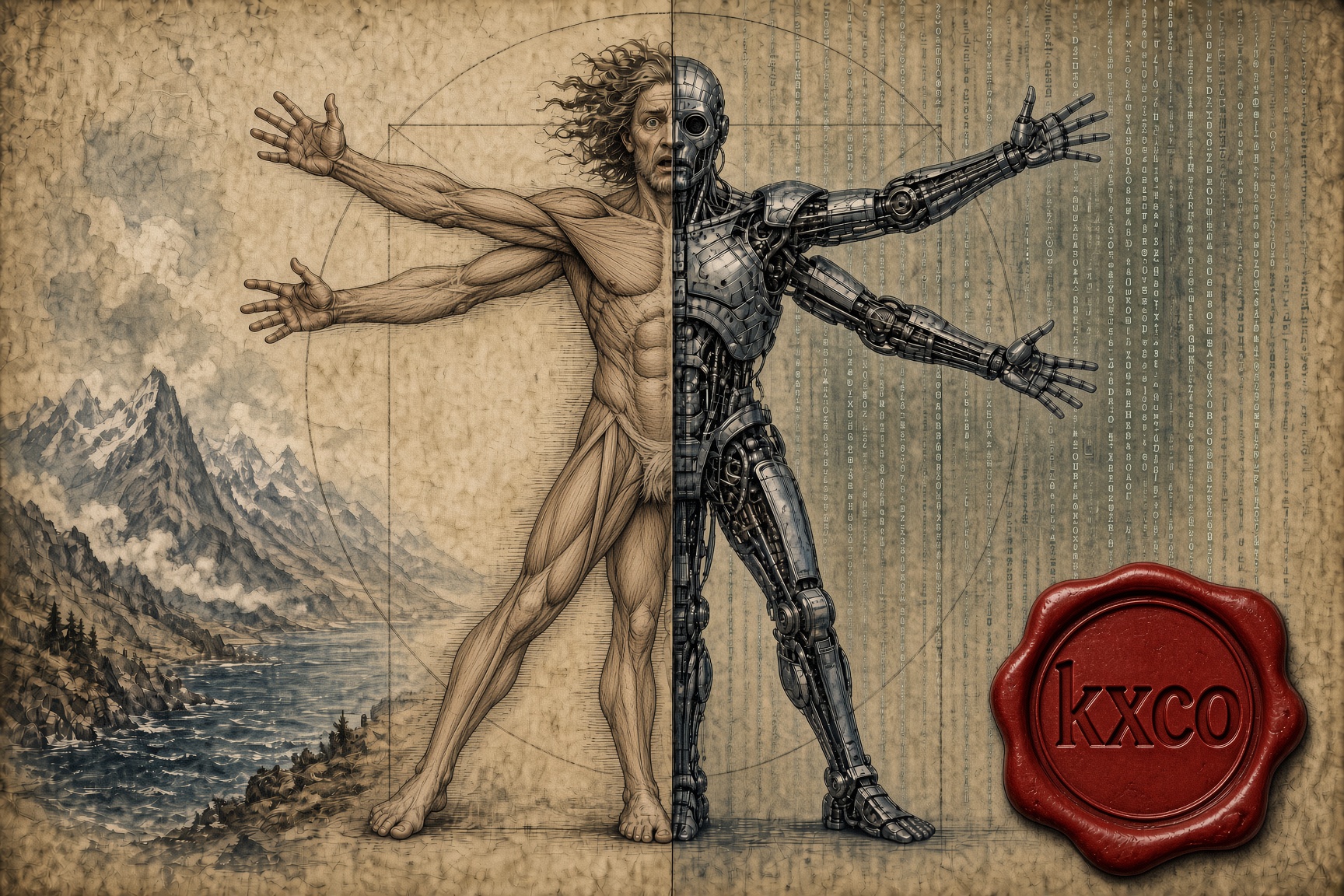
Don't Be the Best, Be the Only: Winning in an AI World
AI is repricing competence downward. What it cannot reproduce is a life. The case for remaining non-fungible, why friction still produces the best ideas, and what it means to build AI systems that keep the human intellect in them.
Every story, signed and delivered.
Subscribe to the kxco channel and get the headline, the AI-written key takeaways, and the chain-anchor link the moment we publish. Audio versions and per-ticker subscriptions arrive in the next iteration.