
BRC-69: Slashes Bitcoin Data Limit for Ordinals
In a significant breakthrough for the Bitcoin community, a revolutionary development known as BRC-69, the new Bitcoin Standard, is set to redefine the capabilities and potential of the world's leading cryptocurrency. By eliminating data limits and introducing ordinals, BRC-69 promises to address some of the key limitations that have hindered Bitcoin's scalability and utility. This article explores the essence of BRC-69, delving into its implications for Bitcoin and its vast community of users.
What are Ordinals?
Ordinals, stored on the Bitcoin blockchain, are a type of NFT that has unique and immutable characteristics.
Serve as representations for various assets, including digital art, music, and physical objects.
Their current size limitation of 4 megabytes restricts their usability for more intricate assets
What is BRC-69?
BRC-69 is a new token standard that uses a technique called "recursive inscriptions" to bypass the 4-megabyte data limit for Ordinals.
This means that Ordinals can now be much larger and more complex than before, without incurring high gas fees.
Recursive inscriptions work by storing the data for an Ordinal in a series of smaller inscriptions.
When an Ordinal is minted, the metadata for each of the smaller inscriptions is combined to create a single, larger inscription.
How does BRC-69 benefit Bitcoin?
BRC-69 could help to boost the adoption of Bitcoin Ordinals. By making them more affordable and accessible, BRC-69 could help to attract new users to the Bitcoin ecosystem. For example, artists and musicians could use Ordinals to create and sell digital artworks and music that are more complex and visually appealing than what is currently possible. Businesses could also use Ordinals to create loyalty programs, reward customers, and track the ownership of physical assets.
How does BRC-69 benefit the Bitcoin community?
BRC-69 could also help to promote innovation in the Bitcoin space.
By making it easier to create and use Ordinals, BRC-69 could encourage developers to build new applications and services on top of Bitcoin.
For example, developers could create new marketplaces for Ordinals, or build tools that allow users to create and manage their own Ordinal collections.
BRC-69 could also help to make Bitcoin more attractive as a platform for decentralized applications.
By making it easier to store and manage digital assets on Bitcoin, BRC-69 could help to pave the way for a future where Bitcoin is used for a wider range of purposes.
Overcoming Data Limits: A Game-Changing Milestone
Bitcoin's growth and adoption have been accompanied by challenges surrounding its scalability, particularly concerning the size and speed of transactions. The introduction of BRC-69 marks a groundbreaking milestone, as it eliminates the longstanding constraint on data limits within the Bitcoin network. This removal of data limits holds immense promise for the future of Bitcoin by enabling larger, more complex transactions and opening doors to new applications.
Ready to Invest in Bitcoin?
Platforms such as XT Exchange and KXCO provide opportunities to buy and sell Bitcoin and other digital assets. However, it's essential to conduct your own research and carefully evaluate these platforms before engaging in any transactions. Remember that investing in cryptocurrencies carries inherent risks, and it's important to exercise caution, seek professional advice if needed, and comply with local regulations.
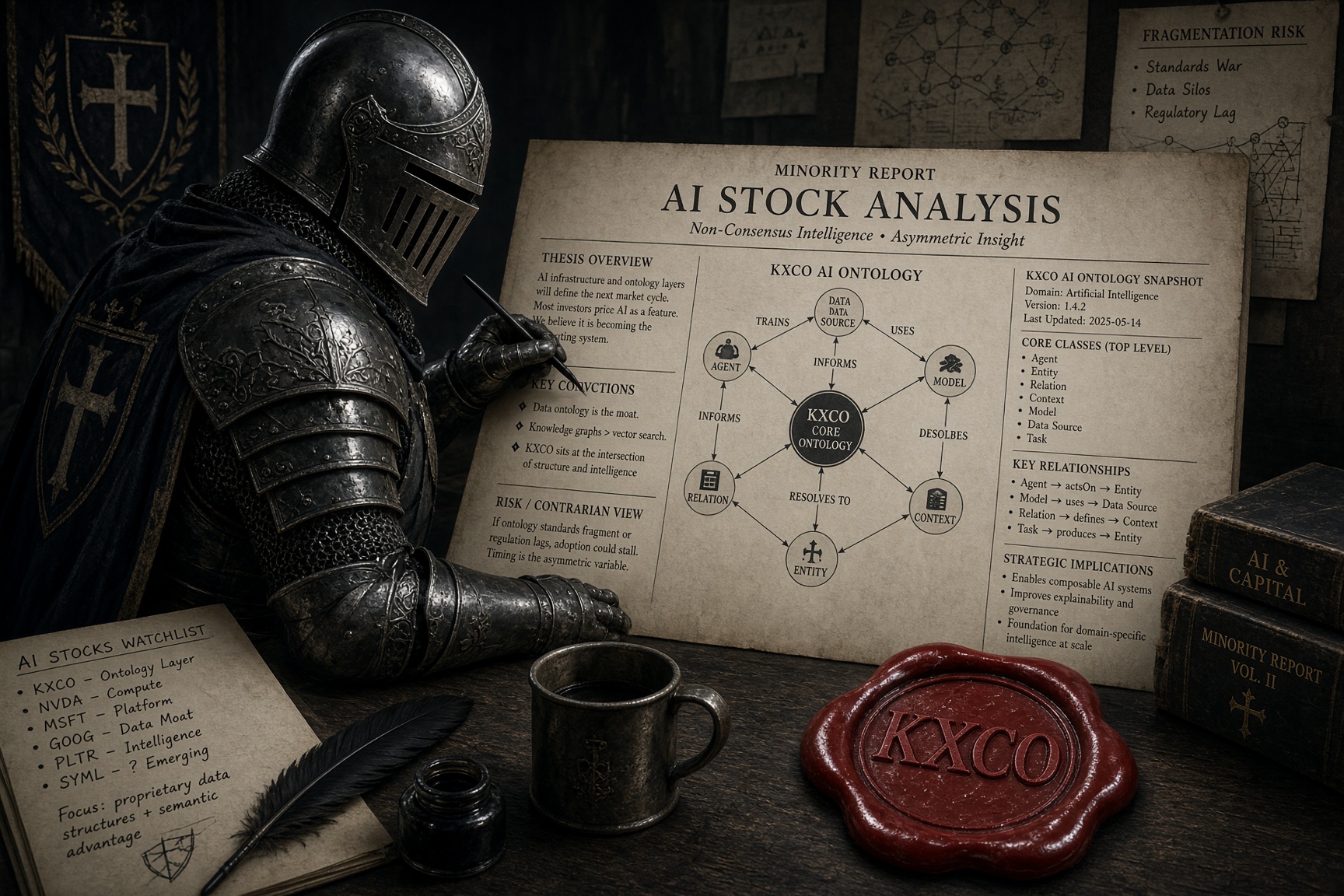
KXCO AI Ontology at 3 Months: What It Called and What Comes Next
On 19 July 2026 the Round Table's AI room published its first Analyst Outlook. To the 16 October 2026 close its 13 names rose 2.6% on an equal weight against 2.1% for QQQ, per StockAnalysis closes, and the six it opened with 35% or more of upside rose 8.6%. This piece lists the six names up more than 5%, the ten names I rate as opportunities now, the month's results in AI and quantum computing, and the official data showing that four in five firms have not yet started using AI.

What the Round Table Is Predicting in Biotech Markets
Seventeen FDA decisions fall due between 30 October 2026 and 29 June 2027, and KXCO's Round Table has called every one. Its model portfolio holds the thirteen Nasdaq companies behind them, led by BridgeBio, Cogent Biosciences and Praxis, and was signed with ML-DSA-87 and anchored on chain before the FDA acts. The first test is Inovio's INO-3107 on 30 October.

SpaceX: The Road to 10 Gigawatts
SpaceX did not add an AI business. A company whose processes run on compute built its own computing plant, then built the power to run it. The 10-Q reports 1.4 gigawatts of nameplate compute at 30 June 2026, four leases worth about $41 billion a year and $100 billion of cash. The target is closer to 10 gigawatts than 5 by the end of 2027. This piece sets out the build sequence, the four layers of power in Memphis, and why Terafab is the act after 2027, not the road to it.
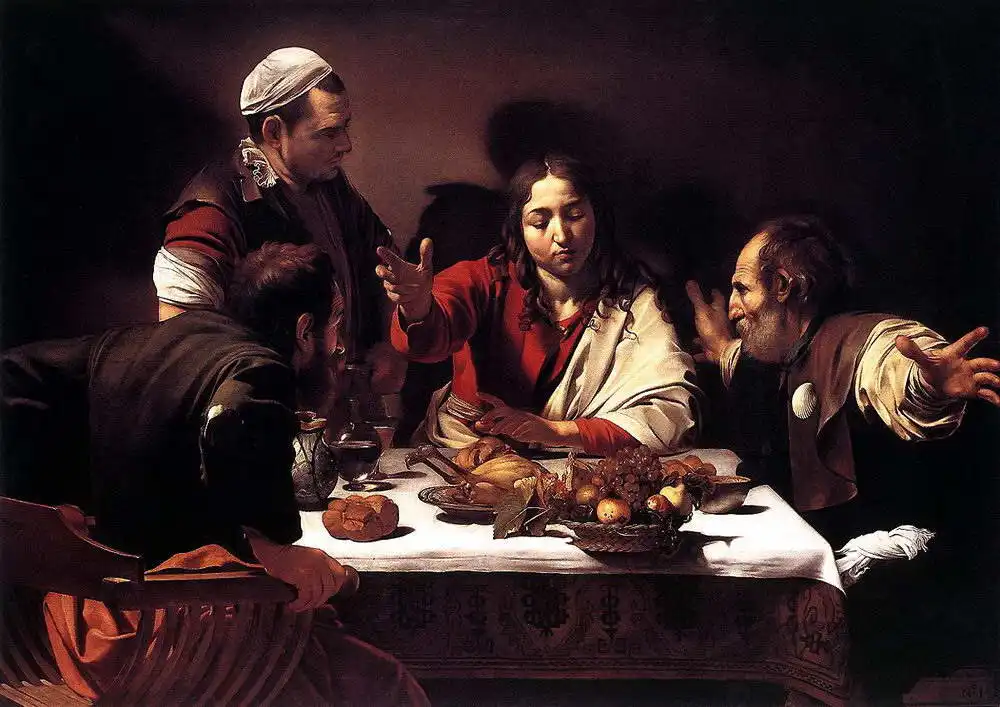
Thoughts on Thinking: Take an Art Break
The best way I know to keep complex work in perspective is to stop at intervals and look at something that took the same order of sustained attention under real constraints. The studies now show what that does: a museum visit restored attention where an urban walk did not, judging the beauty of an object raised abstract thinking almost 14 per cent, and artistic film raised originality even in people who felt worse for it. Five works, Leonardo to Holbein, and the non-default decision in each.
Every story, signed and delivered.
Subscribe to the kxco channel and get the headline, the AI-written key takeaways, and the chain-anchor link the moment we publish. Audio versions and per-ticker subscriptions arrive in the next iteration.