
Biggest Crypto Theft in 2022: North Korea
According to a classified study received by Reuters on Monday from the United Nations, North Korean hackers stole more bitcoins in 2022 than in any previous year. This is another sign that the hermit state is circumventing international sanctions to generate income.
Hackers with connections to North Korea stole digital assets worth $630 million to $1 billion last year by targeting the networks of global aerospace and military firms, according to a UN report.
UN Security Council committee received information from independent sanctions monitor that North Korea “utilized more sophisticated cyber tactics to obtain access to digital networks involved in cyber banking and to steal information of potential value, including for its weapons programs.”
RGB, The Reconnaissance General Bureau
According to sanctions monitors, the bulk of claimed cyber assaults were orchestrated by firms controlled by North Korea's principal intelligence branch, the Reconnaissance General Bureau (RGB).
Kimsuky, Lazarus, Andariel, and other North Korean hackers got commands from RGB and were being watched by foreign cybersecurity organizations, according to the sanctions team.
Moreover, the entities used malware in several ways, including phishing. One such initiative addressed personnel in both the public and commercial sectors across numerous countries.
The team began looking into allegations of weapons shipments in addition to the suspected transfer of North Korean military communications technology, according to Nikkei Asia.
The investigation also claims North Korea of continuing to develop nuclear fissile materials. Furthermore, the researchers state that North Korea tested at least 73 ballistic missiles and rockets integrating guiding systems, including eight intercontinental ballistic missiles (ICBMs).
Blockchain Analytics Firm Concludes
A similar conclusion was made recently by the blockchain analytics firm Chainalysis, which attributed North Korean hackers to at least $1.7 billion in stolen crypto assets in 2022, making it the worst year ever for crypto hacking.
The amount is over four times the country's previous record for digital currency theft, which was over $430 million in 2021.
In addition, the haul amounted for 44% of the $3.8 billion lost in crypto thefts in 2022, which the firm termed as "the largest year ever for crypto hacking."
Furthermore, the US has accused the Russian mercenary outfit Wagner Group of acquiring weaponry from North Korea in order to supplement Russian troops in Ukraine.
North Korea has denied the accusation, and Yevgeny Prigozhin, the owner of Wagner, has denied obtaining weapons from the North.
The FBI confirmed in January this year that the Lazarus Group, which has links to North Korea, staged a $100 million cryptocurrency heist on the Horizon bridge blockchain network in 2022.
Cybercrime is expected to cost the world $11 trillion a year by 2025. According to Purplesec US research, the global yearly damages caused by cybercrime are expected to exceed $6 trillion per year.
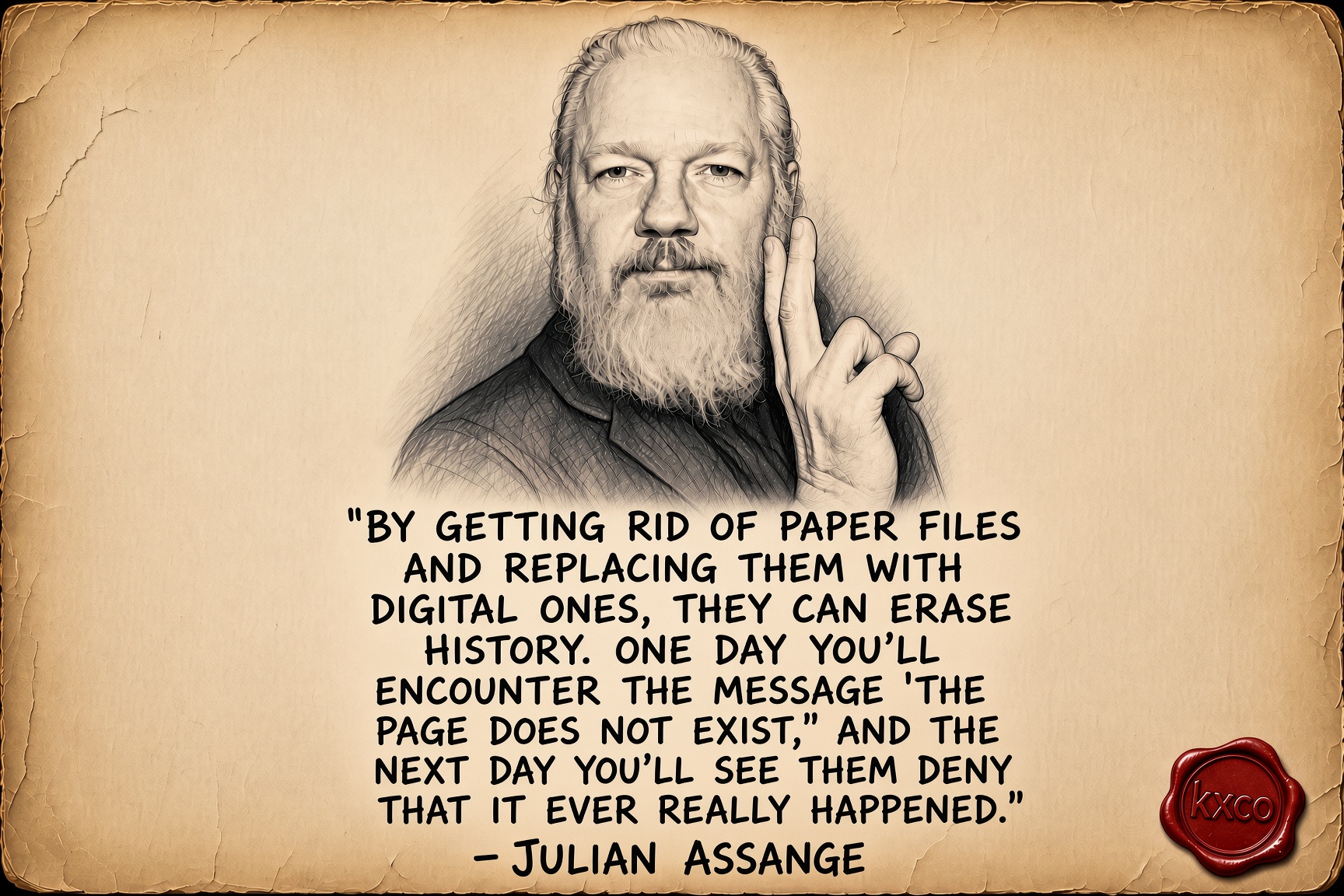
Digital Erasure, and Why KXCO Matters
Pew found 38 percent of 2013's web pages gone a decade later, and quantum computing will eventually let attackers forge the signatures that prove records authentic. Why durable history now depends on post-quantum cryptography, on-chain anchoring and verification that needs nobody's permission.

Your AI Agent Can Now Own a Wallet — and Keep It
The wallet has always assumed a person is holding the phone. Autonomous AI agents break that assumption. Shayne Heffernan on the self-custodial, quantum-secure wallet built so a machine can own value — and the one line where regulation begins.
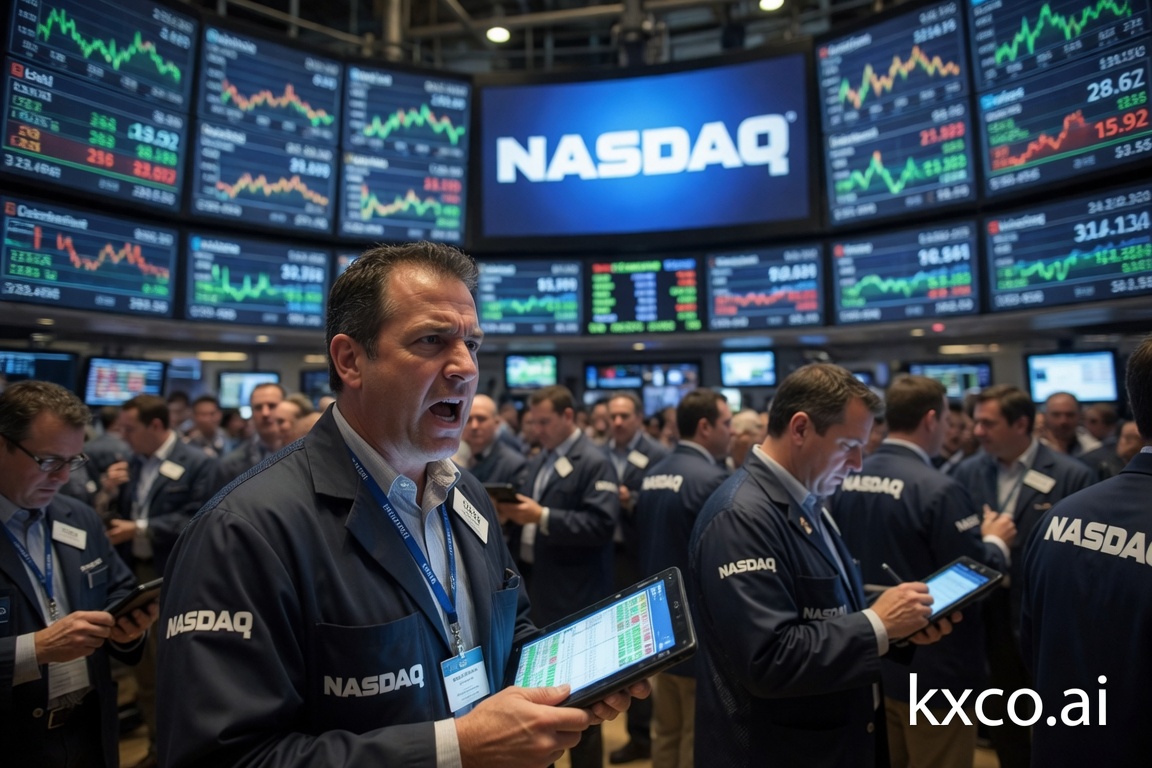
Economic Calendar and Trading Strategies for the Week Ahead: July 20–24, 2026
A pivotal week for markets: Iran's closure of the Strait of Hormuz sends crude above $86 and gasoline over $5, while Alphabet, Tesla and Intel earnings test the AI trade. Full economic calendar plus trading strategies across oil, gold, Bitcoin, FX and AI chip stocks.
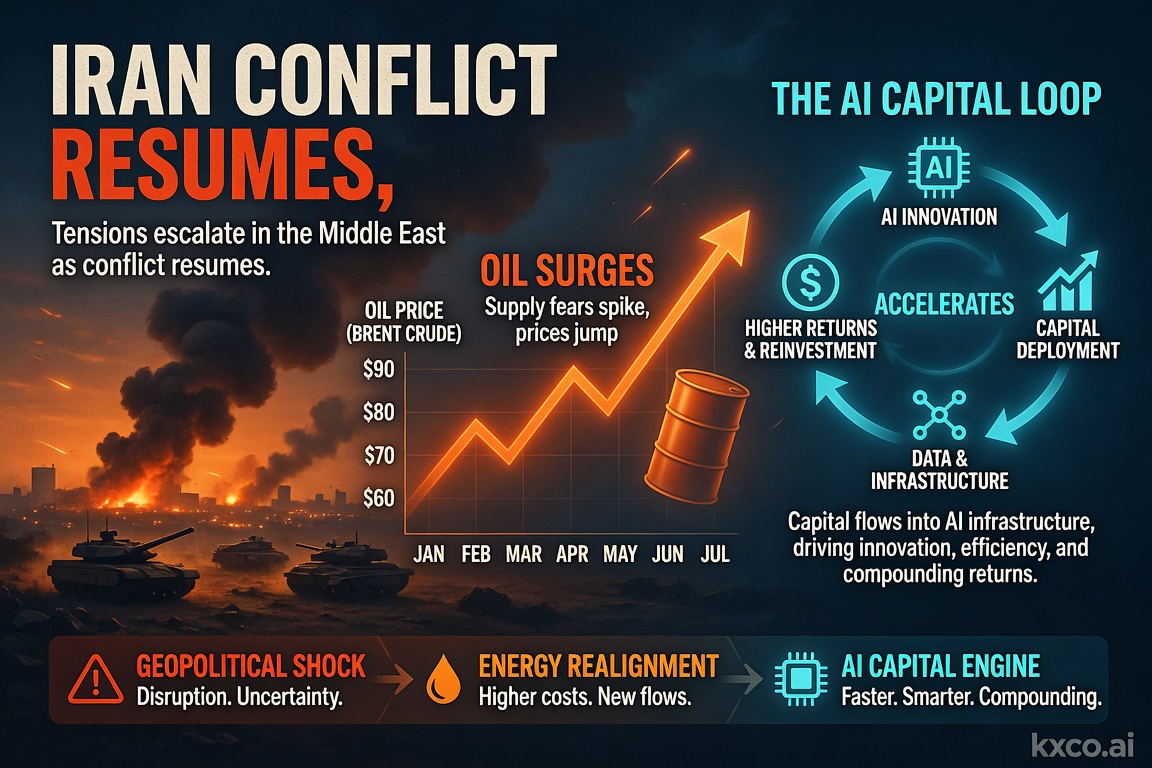
Economic Calendar and Trading Strategies for the Week Ahead: July 14–18, 2026
A pivotal week for markets: US strikes on Iran reignite the oil risk premium, June CPI and retail sales test the Fed's rate-cut path, and the $1 trillion AI capital loop keeps driving the tech trade. Full economic calendar plus trading strategies across oil, gold, Bitcoin, FX and AI stocks.
Every story, signed and delivered.
Subscribe to the kxco channel and get the headline, the AI-written key takeaways, and the chain-anchor link the moment we publish. Audio versions and per-ticker subscriptions arrive in the next iteration.