
Biden's Global Tax Skips the Mega-Rich
France said Wednesday it would make sure that internet commerce giant Amazon is subject to a minimum global tax endorsed by the Group of Seven wealthy nations.
According to the plan, countries would be allowed to tax a share of the profits of the most profitable companies in the world at a rate of at least 15 percent, regardless of where they are based.
This would apply, however, only to companies whose profit margins exceed 10 percent.
Despite Amazon's colossal footprint and a market capitalisation of more than $1 trillion, its profit margin last year amounted to just 6.3 percent, placing it firmly below that threshold.
But French Finance Minister Bruno Le Maire told the broadcaster RMC that the potential loophole would not stand.
The tax reform "must apply to Amazon," he said. "France will fight to make sure that it does."
He said the tax reform had been negotiated at the Organisation for Economic Co-operation and Development with the specific aim of making all digital giants pay their fair share.
"The problem with Amazon is that some of its businesses don't generate a profit margin of more than 10 percent," Le Maire said, singling out its deliveries branch.
At Amazon's cloud-based services, meanwhile, margins are "very large," he said.
The answer was to treat Amazon's businesses separately for tax purposes "so that all the very profitable parts are certain to be subject to this digital taxation".
Le Maire acknowledged there were several obstacles still to overcome before the world could apply the digital tax regime.
One was that China's agreement was needed. "Believe me, that's going to be a very different ballgame," Le Maire said.
Another is the hope of some European countries to go beyond the 15 percent tax rate, which Le Maire said constituted only a "minimum rate."
The final challenge is to make sure that "all digital giants are subject to this tax without exception."
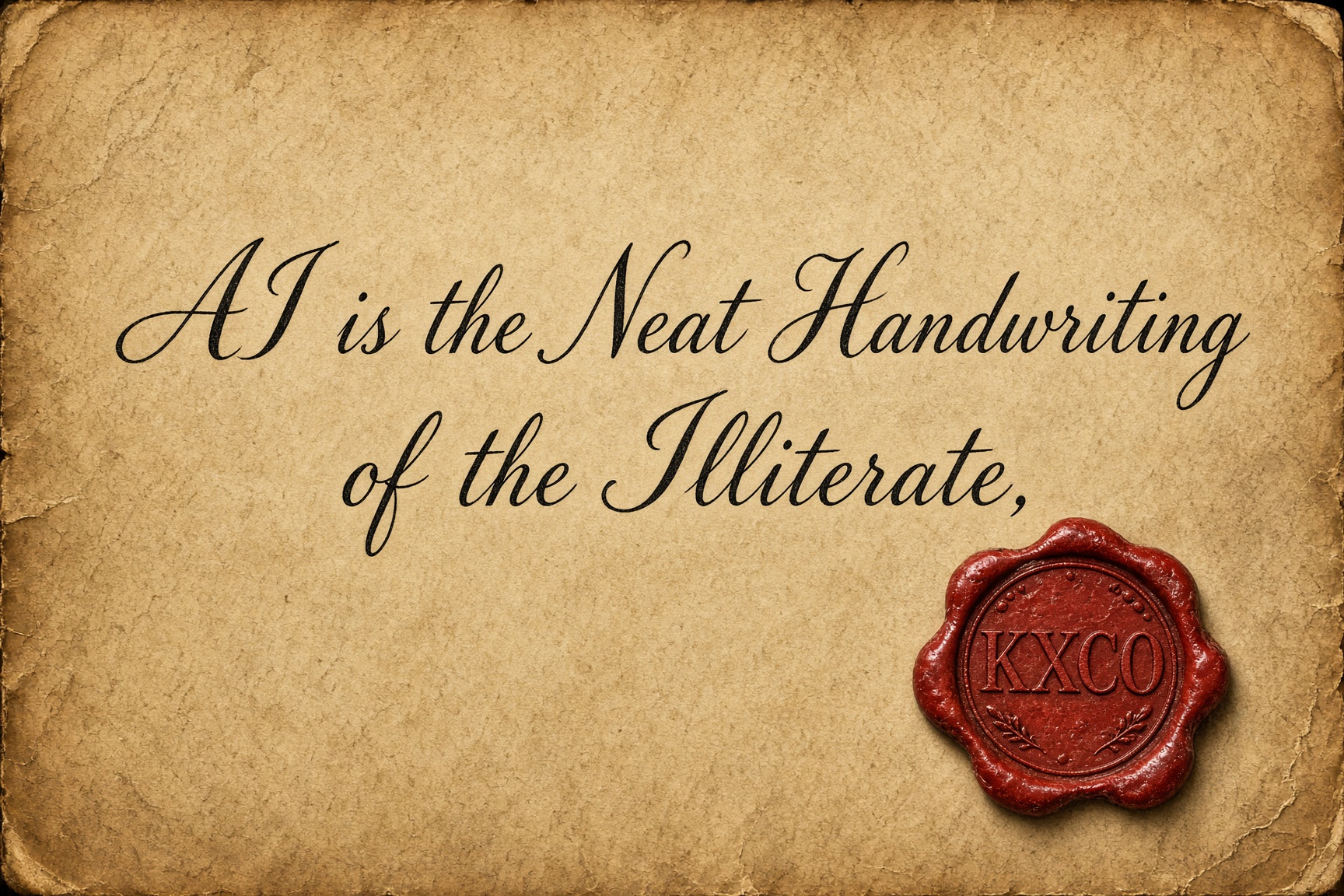
AI is the Neat Handwriting of the Illiterate
A model in the hands of someone who has read the filing and walked the plant is a clerk. The same model, speaking for someone who has done neither, is a disguise. On AI slop, phantom citations and factslop, why finish stopped being evidence of work, and the containment layer KXCO built so a machine cannot speak as the institution until a source is attached.
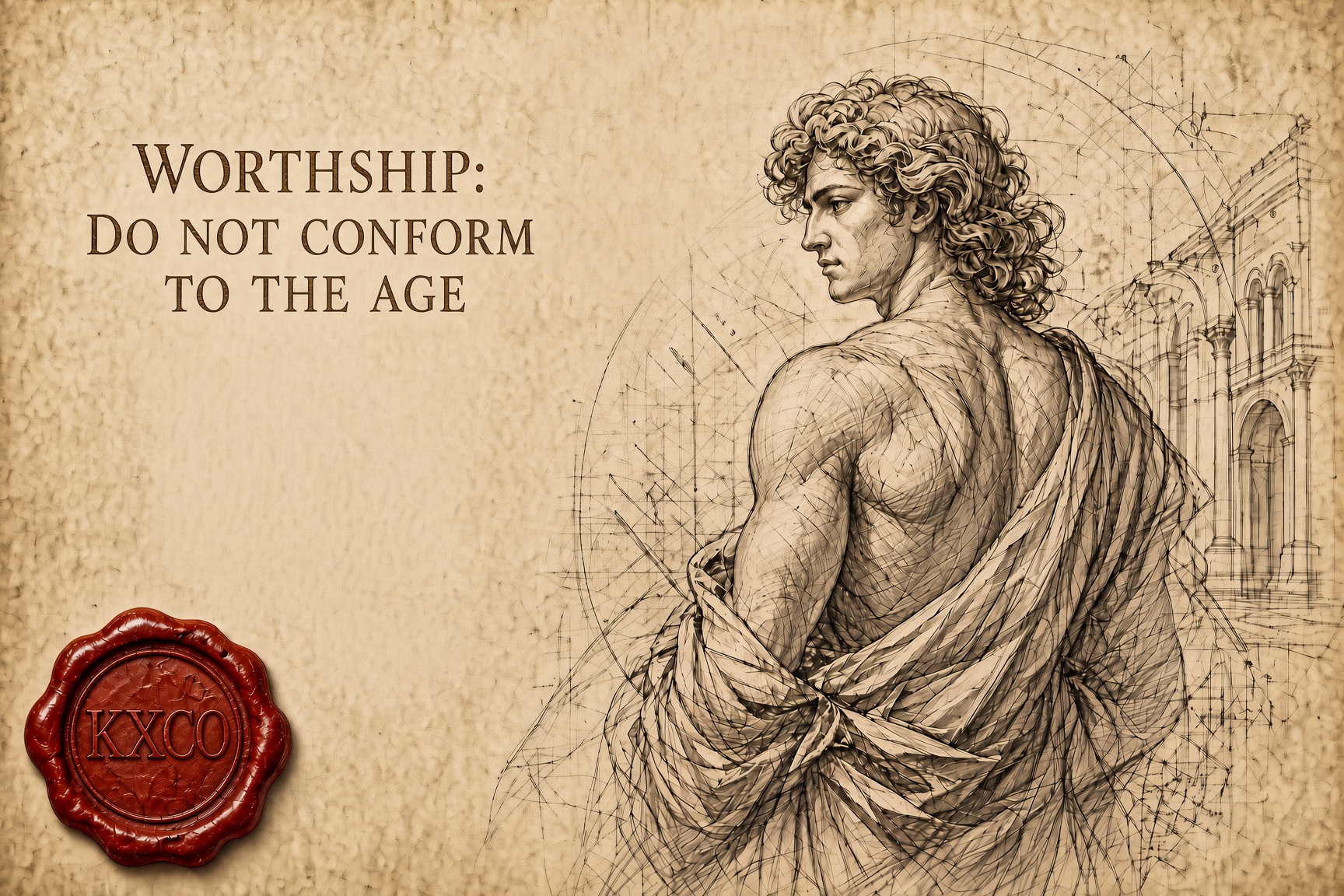
Worthship: Do Not Conform to the Age
Worthship is the older English word for worship, and it means to ascribe worth. Bishop Robert Barron preached Romans 12 on 30 August. This essay follows the text into the prison letters, and puts two questions to a graph: do the four readings of that Sunday agree, and was Paul free or in chains when he wrote about despair?
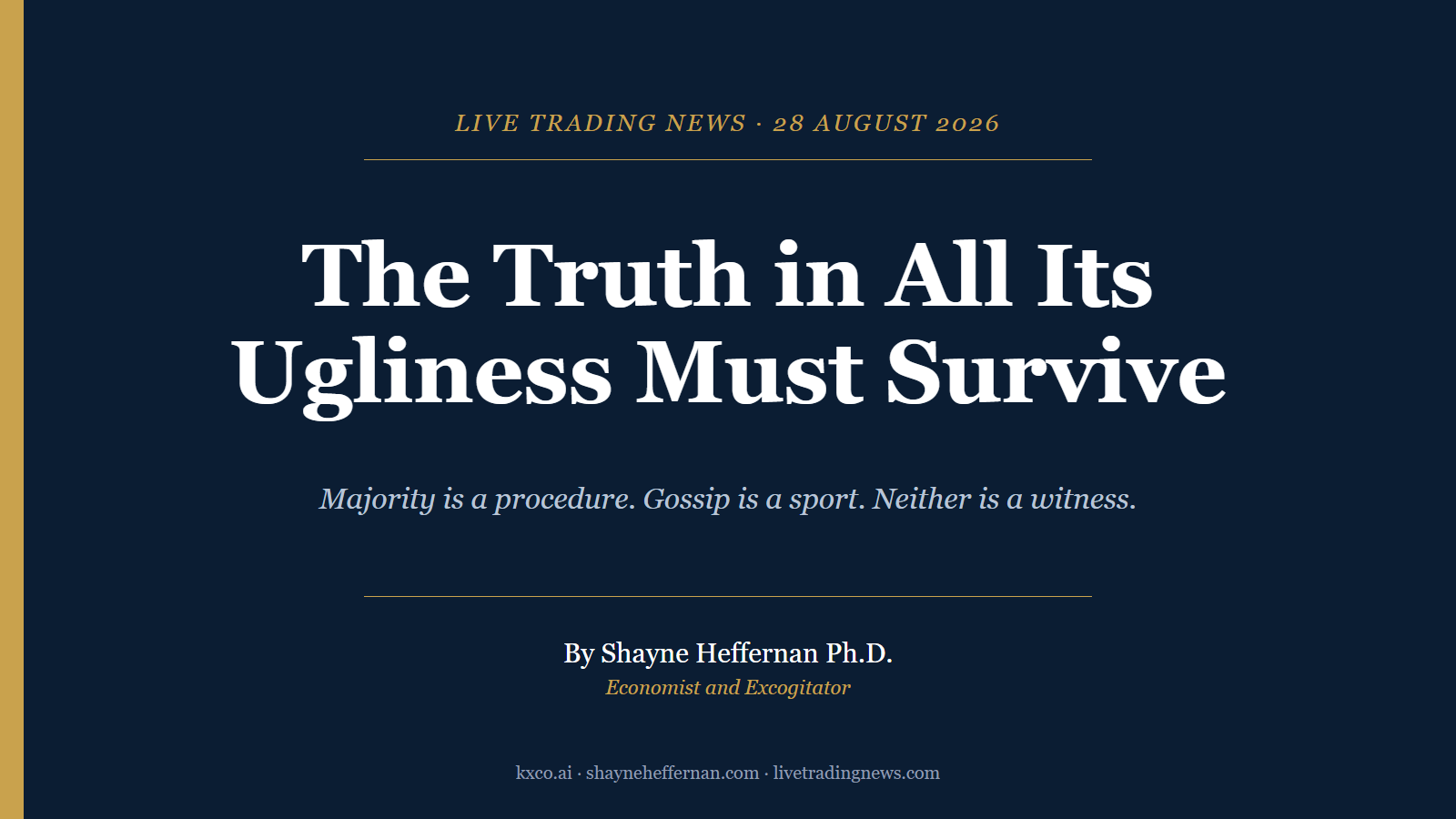
The Truth in All Its Ugliness Must Survive
A majority vote does not determine the truth. Consensus is a mood, gossip is a sport, and a model will write the pretty version for free. Why the ugly number has to survive, why a record beats a dashboard, and what KXCO was built to keep standing when the room changes its mind.

Don't Be the Best, Be the Only: Winning in an AI World
AI is repricing competence downward. What it cannot reproduce is a life. The case for remaining non-fungible, why friction still produces the best ideas, and what it means to build AI systems that keep the human intellect in them.
Every story, signed and delivered.
Subscribe to the kxco channel and get the headline, the AI-written key takeaways, and the chain-anchor link the moment we publish. Audio versions and per-ticker subscriptions arrive in the next iteration.