
As CBDCs Loom the Best Investments are Bitcoin, Metals, and Farmland.
Knightsbridge is planning to offer 3 new DeFi products that provide direct exposure to Bitcoin, metals, and farmland. This is a significant development, as it will make it easier for investors to gain exposure to these assets.
Diversification: Investors can use Knightsbridge's new products to diversify their portfolios and reduce their risk.
Potential returns: Bitcoin, metals, and farmland have the potential to generate high returns for investors.
Convenience: Knightsbridge's new products will make it easier for investors to gain exposure to these assets.
Bitcoin is a good investment for people who are concerned about the stability of the Western financial system.
Bitcoin is an important store of value as the world moves towards controlled CBDCs. CBDCs are central bank digital currencies that are issued and controlled by central banks. This means that central banks will have complete control over the supply and distribution of CBDCs. This could pose a number of risks, including:
Inflation: Central banks could print as many CBDCs as they want, which could lead to inflation.
Financial surveillance: Central banks could track all CBDC transactions, which could lead to financial surveillance.
Capital controls: Central banks could impose capital controls on CBDCs, which could restrict people's ability to move their money freely.
Metals are another good investment for people who are concerned about the stability of the Western financial system. Metals are a physical asset that cannot be devalued by governments or financial institutions.
Metals are used in a wide variety of industries, including construction, manufacturing, and transportation. As the cost of metals rises, it will drive up the cost of goods and services produced using these metals.
Instability is also contributing to rising metal prices. The war in Ukraine and other global conflicts have disrupted supply chains and created uncertainty in the market. This uncertainty is driving up the price of metals, as buyers are willing to pay more to secure supplies.
The rising price of metals is good news for metal producers, but it is bad news for consumers. The higher cost of metals will lead to higher prices for goods and services produced using these metals. This will further fuel inflation and make it harder for people to afford basic necessities.
Farmland is a good investment because it is a physical asset that produces food. Food is a basic necessity that will always be in demand.
Farmland is a great hedge against inflation. Inflation is the decrease in purchasing power of money, which means that your money can buy less over time. Farmland is a real asset that produces food, which is a basic necessity. As the cost of living increases, the demand for food also increases, which drives up the value of farmland.
Here are some of the reasons why farmland is a good hedge against inflation:
Farmland is a scarce resource. The amount of arable land in the world is limited, and the demand for food is growing. This scarcity drives up the value of farmland over time.
Farmland produces a basic necessity. Food is a basic necessity that people need to survive. This means that there will always be a demand for farmland, even during economic downturns.
Farmland is a tangible asset. Farmland is a physical asset that cannot be devalued by governments or financial institutions. This makes it a good investment for people who are concerned about the stability of the financial system.
In addition to being a good hedge against inflation, farmland can also be a good investment for long-term capital growth. The value of farmland has historically outpaced the rate of inflation over the long term. This is due to the factors mentioned above, such as the scarcity of farmland and the growing demand for food.
It is important to note that all investments carry risk. There is no guarantee that any investment will be profitable. It is important to do your own research before investing in any sector or asset.
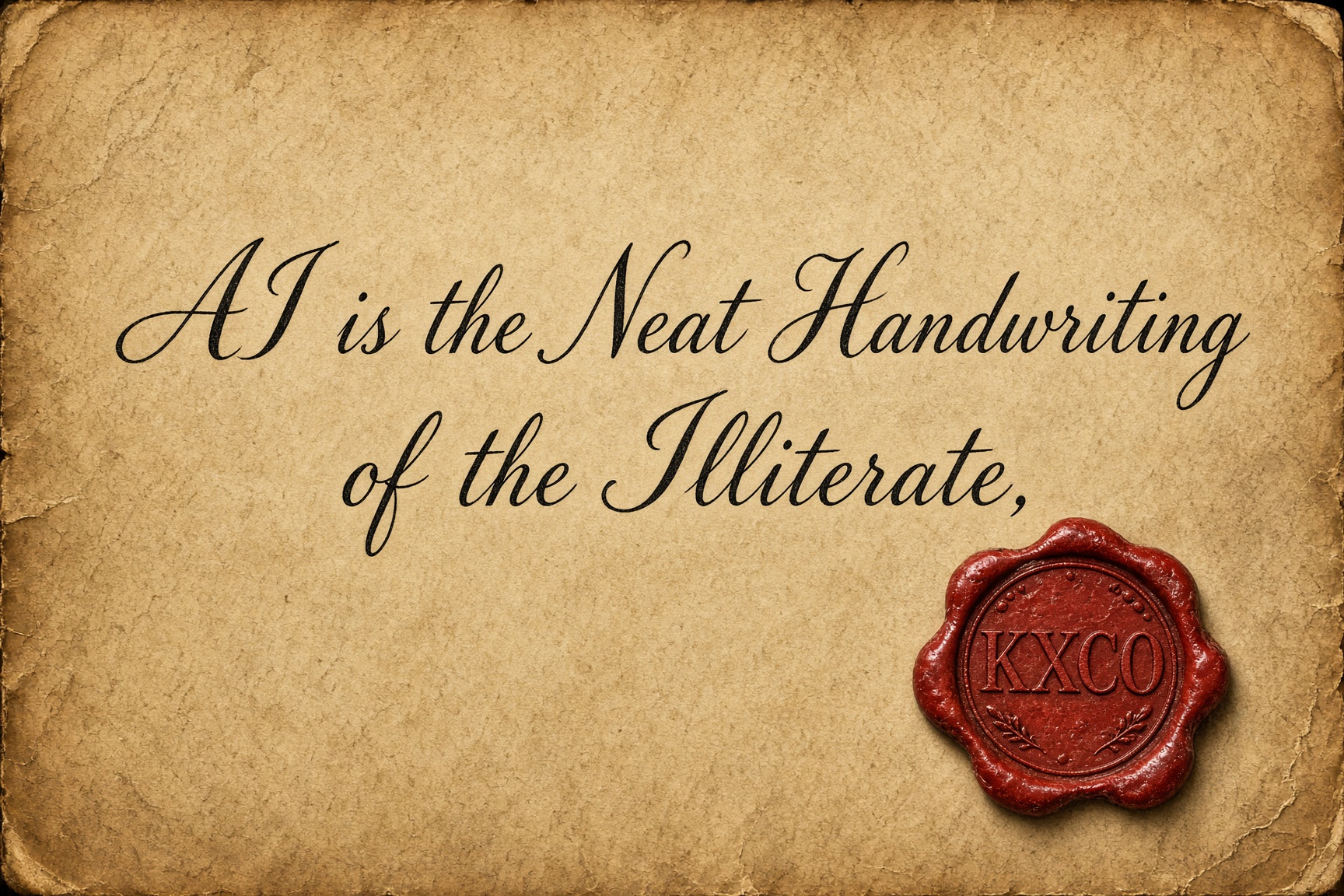
AI is the Neat Handwriting of the Illiterate
A model in the hands of someone who has read the filing and walked the plant is a clerk. The same model, speaking for someone who has done neither, is a disguise. On AI slop, phantom citations and factslop, why finish stopped being evidence of work, and the containment layer KXCO built so a machine cannot speak as the institution until a source is attached.
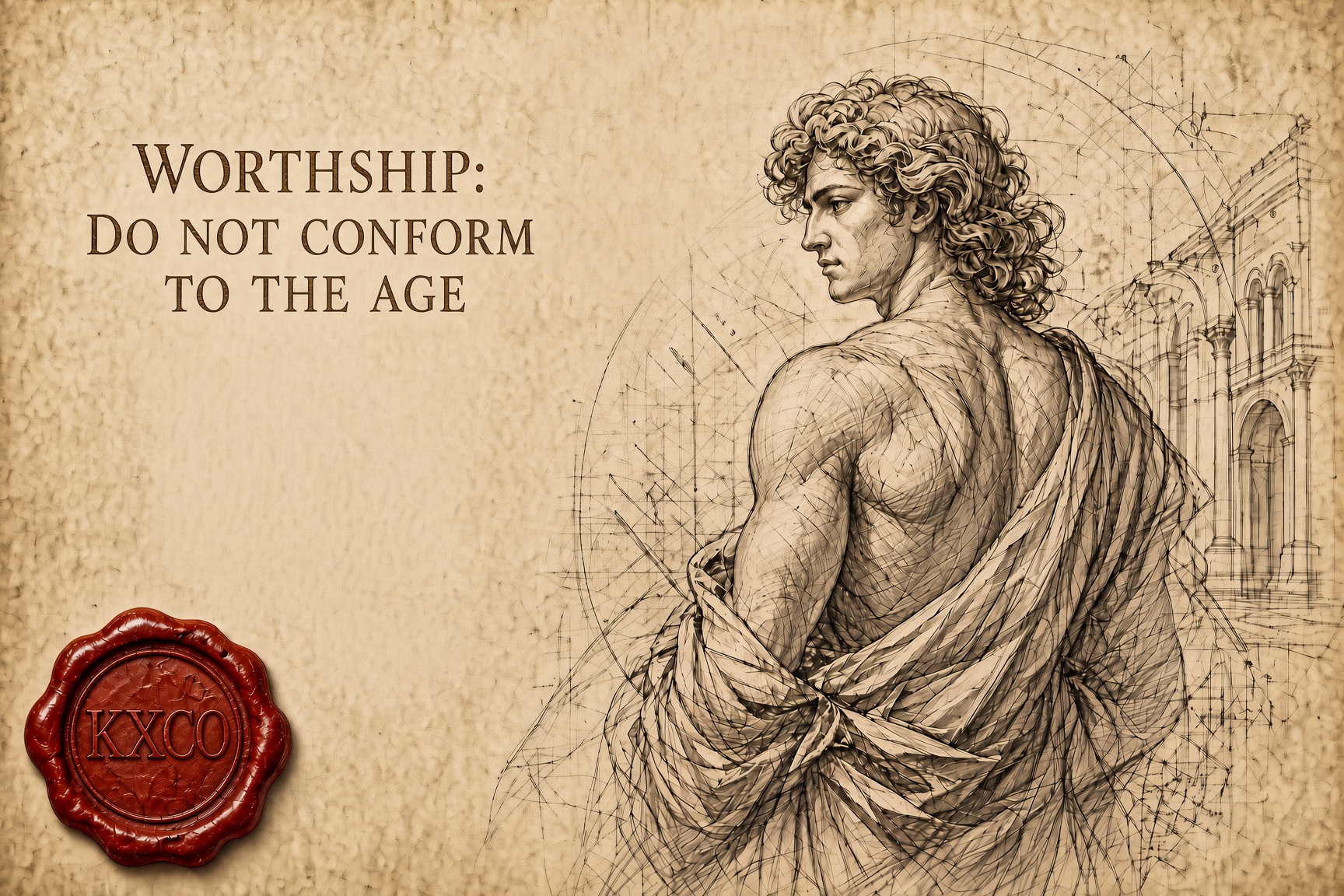
Worthship: Do Not Conform to the Age
Worthship is the older English word for worship, and it means to ascribe worth. Bishop Robert Barron preached Romans 12 on 30 August. This essay follows the text into the prison letters, and puts two questions to a graph: do the four readings of that Sunday agree, and was Paul free or in chains when he wrote about despair?
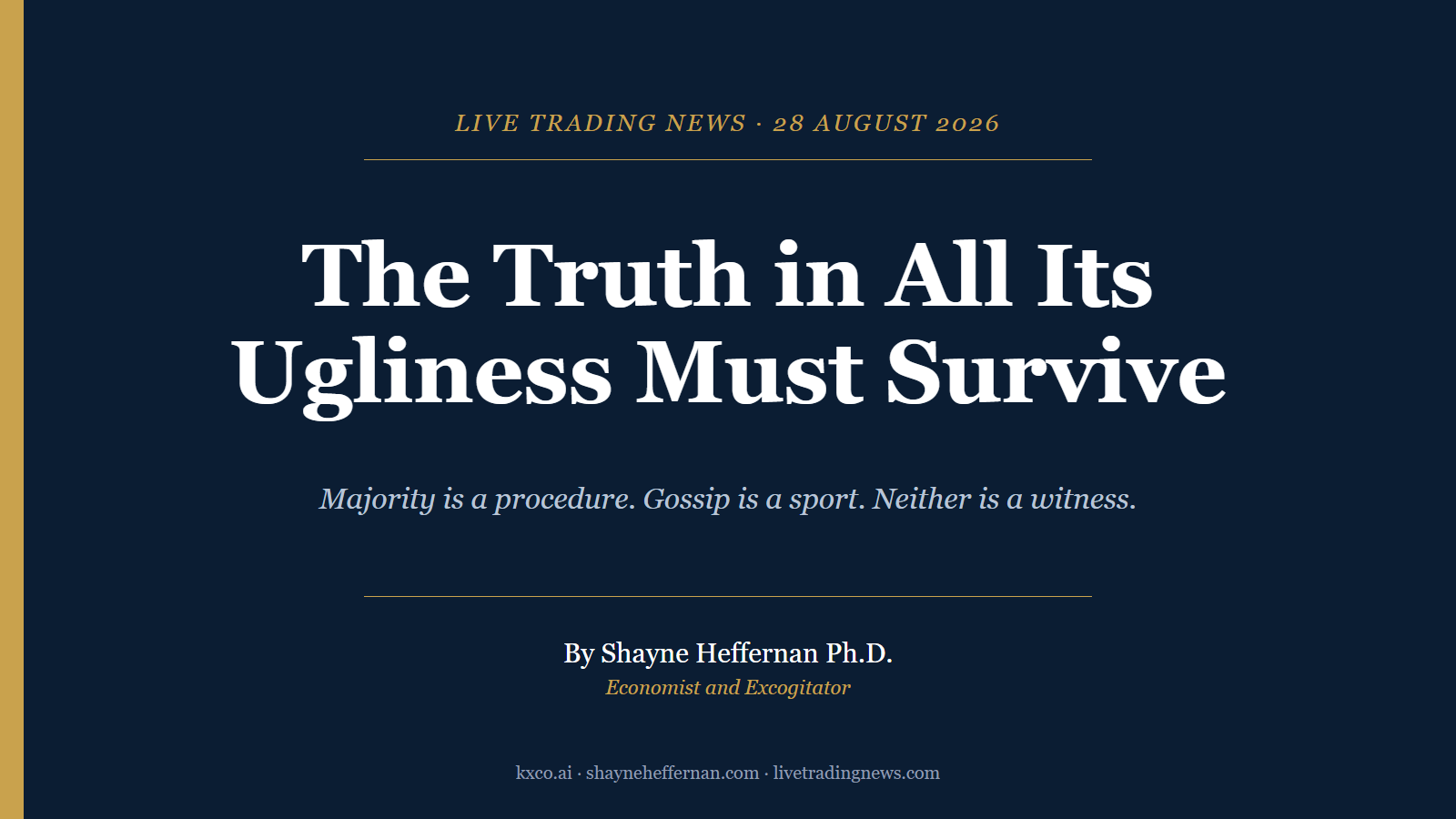
The Truth in All Its Ugliness Must Survive
A majority vote does not determine the truth. Consensus is a mood, gossip is a sport, and a model will write the pretty version for free. Why the ugly number has to survive, why a record beats a dashboard, and what KXCO was built to keep standing when the room changes its mind.
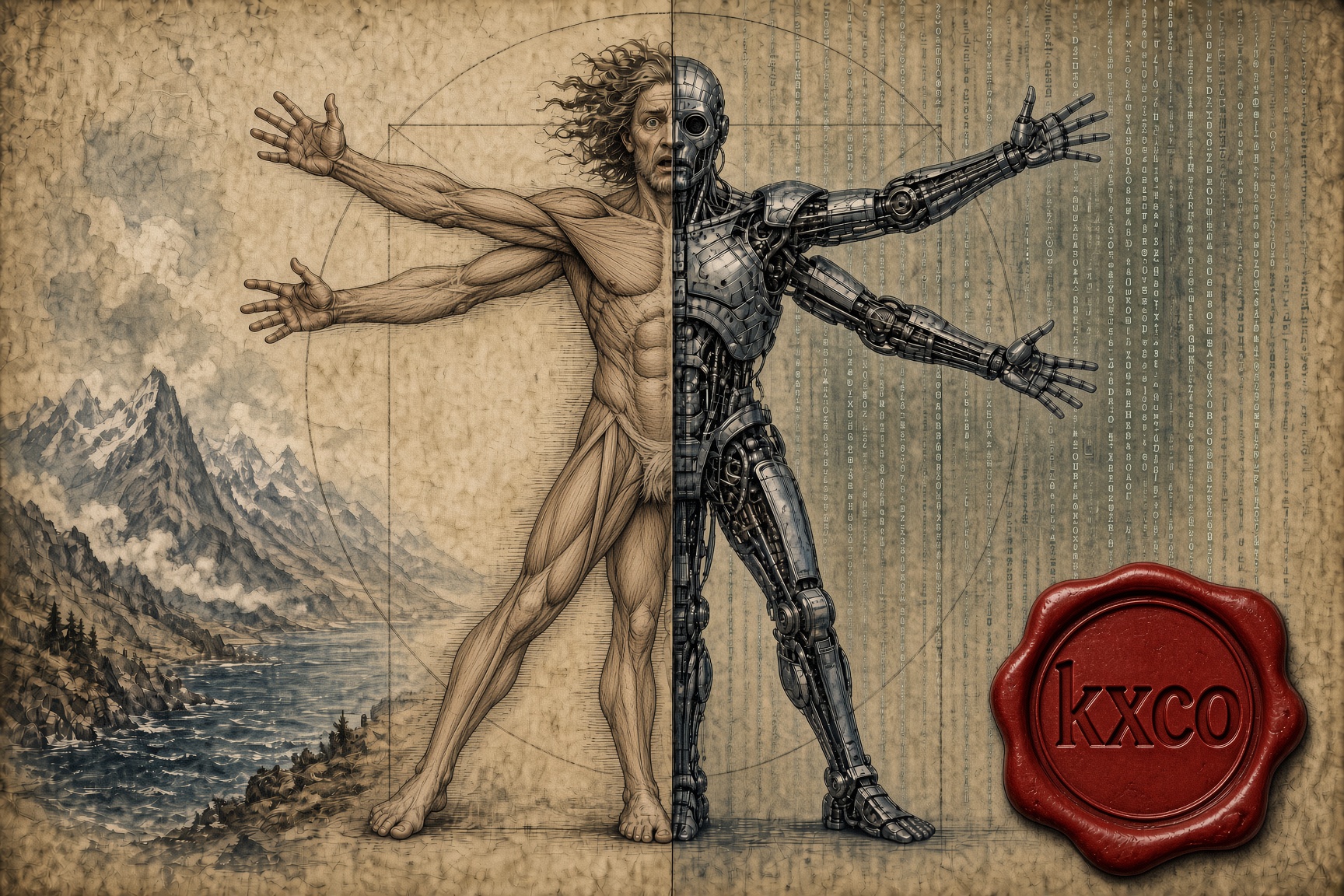
Don't Be the Best, Be the Only: Winning in an AI World
AI is repricing competence downward. What it cannot reproduce is a life. The case for remaining non-fungible, why friction still produces the best ideas, and what it means to build AI systems that keep the human intellect in them.
Every story, signed and delivered.
Subscribe to the kxco channel and get the headline, the AI-written key takeaways, and the chain-anchor link the moment we publish. Audio versions and per-ticker subscriptions arrive in the next iteration.