
Beijing and Wall Street Un-tie, Hong Kong Wins
#China #HongKong #WallStreet #Beijing #stocks
For the past 20 yrs Chinese tech firms have bade a B-line to Wall Street, drawn by a friendly regulatory environment and it huge pool of capital eager to invest in the world’s fastest-growing economy.
The powerful force behind 100s of companies worth $2-T has stopped it seems.
Beijing’s 10 July announcement that almost all businesses trying to go public in another country will require approval from a newly empowered cybersecurity regulator amounts to a long term cap for Chinese IPOs in the US.
The clampdown, triggered by Didi Global Inc.’s (NYSE:DIDI) decision to push ahead with a New York listing despite objections from regulators, has sent shockwaves through financial markets.
After Didi’s contentious 30 June IPO, the Chinese Communist Party decided it had had enough. And President Xi has limited the influence the tech billionaires who controled the firms.
A gauge of US-traded Chinese stocks has fallen 30% from its recent highs.
Wall Street's lucrative underwriting fees have dried up, while Hong Kong, now 100% Chinese, is set to benefit as Chinese companies will come to market in a politically safe financial hub.
Beijing’s move to regulate overseas IPOs coincides with stricter controls over China’s technology firms, many of which have near-monopolies in their fields and vast pools of user data. This campaign to rein in the tech industry has accelerated in recent months
For Chinese companies already listed in the US, what happens next depends on what China does with VIEs. Banning them outright is unlikely, as it would force firms to delist from foreign exchanges, unwind that structure and then relist, a costly process that could take yrs. The updated regulations are expected to be ready very soon. So stay tuned.
Holders can sell their ADRs before they are delisted or convert them into the Hong Kong-listed common stock easily. A company choosing to terminate its ADR program entirely can also pay out a USD amount to investors.
But the outlook for Hong Kong’s role as a global financial hub is looking very good in the wake of Mr. Biden’s 'toothless' warning over doing business there.
The message from Beijing is clear: the Communist Party will have the final say on pretty much everything, including IPOs.
It is very important to own companies that are aligned with the direction of the Chinese government, and not in companies trying to circumvent anything that the Chinese government wants to accomplish period.
Have a prosperous day, Keep the Faith!

Understanding the US China AI and Quantum Landscape
AI and quantum are usually reported as a US–China race. The more useful story is two different systems — frontier capital versus open-source scale — entangled through shared chokepoints. Shayne Heffernan maps the landscape with the KXCO AI Sector Ontology, with comparison graphics and the investable names.
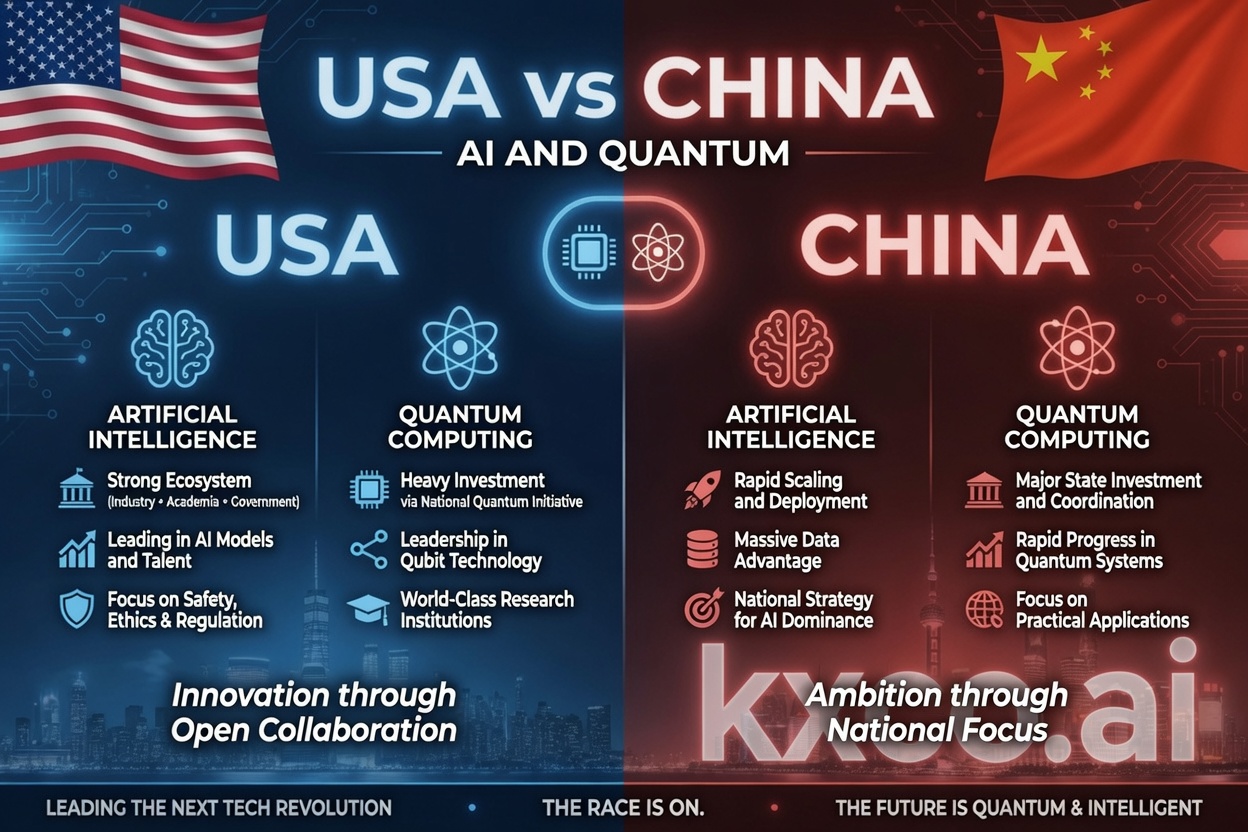
USA vs China: The AI and Quantum Scorecard
The US still leads AI models and chips by a whisker; China leads power and open-weight models outright. Shayne Heffernan scores the four races that will decide the decade.
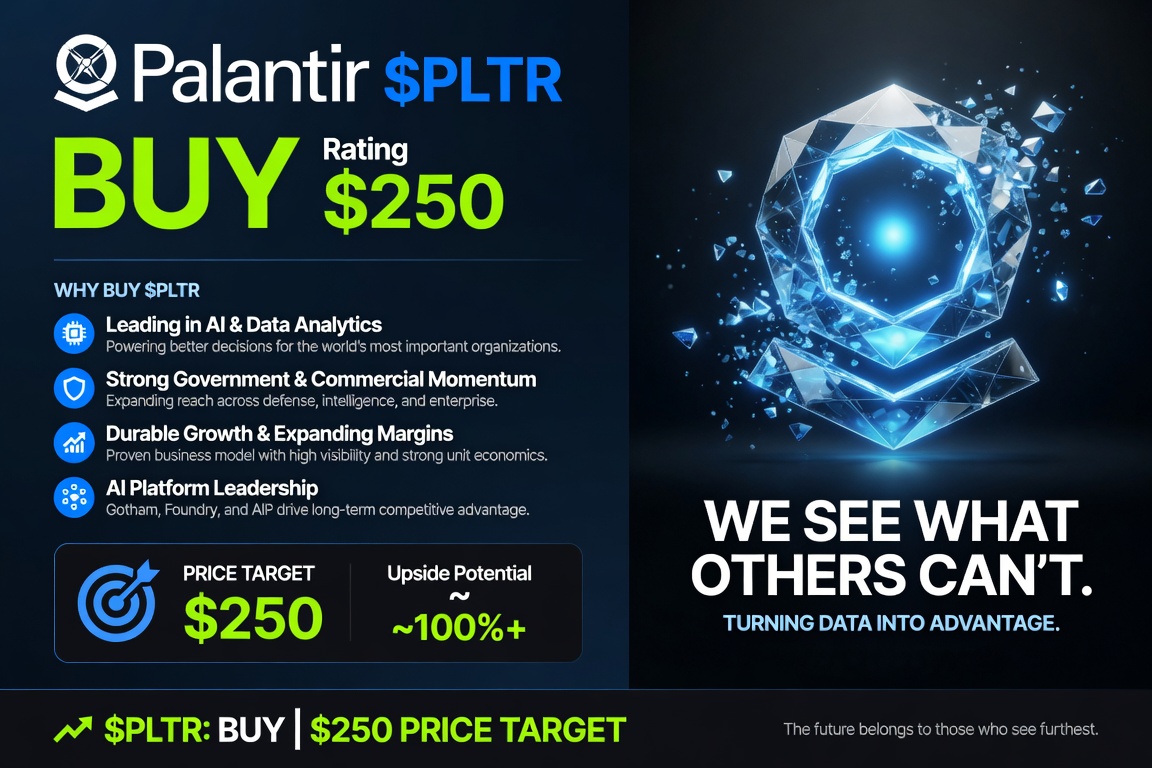
Palantir Stock (PLTR): BUY Rating, $250 Price Target — The 40% Dislocation
Palantir is down ~40% in 2026 even as Q1 revenue grew 85% and management guided FY2026 to $7.66B. Shayne Heffernan issues a BUY on PLTR with a $250 price target — full breakdown of the business, customers, five-year revenue, every major Wall Street bank target and the corporate outlook.
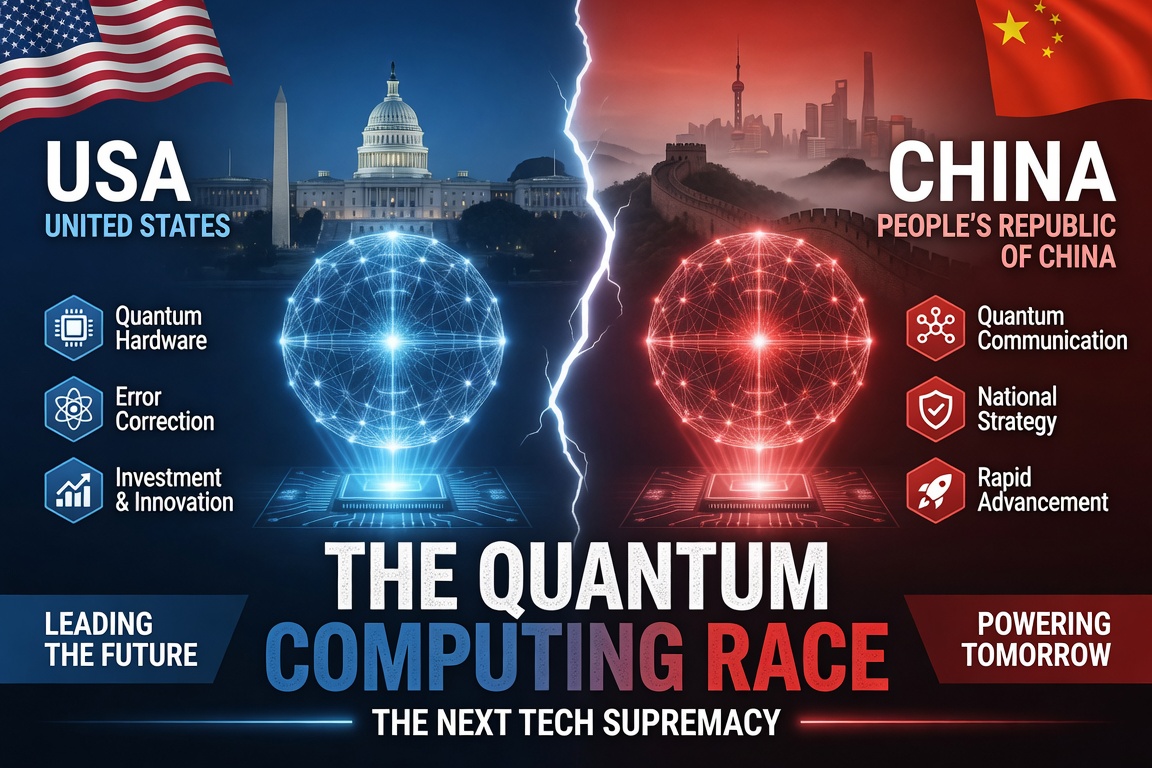
USA vs China: The Quantum Computing Race
The U.S. still leads quantum computing, but China has closed the gap fast — on hardware scale, supply-chain self-reliance and quantum networking. A category-by-category scorecard as of June 2026.
Every story, signed and delivered.
Subscribe to the kxco channel and get the headline, the AI-written key takeaways, and the chain-anchor link the moment we publish. Audio versions and per-ticker subscriptions arrive in the next iteration.