
Bad News for Anti-Crypto Joe Biden
The president of the Ripple is "optimistic" that the Crypto industry's lobbying efforts will pay off in this year's US elections, given that her company assisted the sector in setting a record for financing to support pro-crypto political candidates.
This is bad news for the Anti-Crypto Democrats and Joe Biden.
According to OpenSecrets, a research organization that monitors political influence, Ripple is the second-largest contributor to Fairshake, a super PAC that has gathered $92.9 million in an effort to sway the congressional elections in November in favor of the cryptocurrency business.
According to data from Public Citizen, super PACs supported by the crypto industry have raised over $102 million so far, that puts them 3rd among all super PACs involved in the USA 2024 election.
At the Money20/20 fintech conference in Amsterdam on Tuesday, Ripple President Monica Long disclosed to Reuters that the PAC is bipartisan and has a singular objective: to endorse candidates who endorse the regulations that the crypto industry seeks.
"I think as an industry, especially for us companies based in the U.S., we’re frustrated with how far the U.S. is lagging on setting rules," she stated. "This whole dynamic of setting rules through enforcement ... is really unproductive and not getting us anywhere."
When asked if she was hopeful that the crypto industry will be heard, Long responded, "Yes, I am. I have hope.
Due to increased attention from lawmakers and regulators and the stupidity of the SEC under Gary Gensler the cryptocurrency sector is making more of an effort to sway American policymakers. This is especially true in light of the FTX disaster, which alarmed investors, exposed fraud and corruption, and left millions of investors out of pocket.
A number of well-known crypto companies, including Ripple, have been sued by the US securities commission for allegedly breaking securities laws. In July, a federal judge declared that Ripple had engaged in illegal sales of unregistered securities when it sold its token, XRP, to well-informed buyers. However, the judge also declared that XRP, when traded on open markets, did not fit the legal definition of a security.
In its lawsuit against the company, the Securities and Exchange Commission is requesting $2 billion in fines and penalties, according to Ripple.
Legislators are being urged by crypto groups to enact a bill that would reduce the SEC's regulatory authority over the sector. According to a Public Citizen research, venture capitalists provide the other half of the political war chest for the cryptocurrency industry, with direct corporate expenditures coming mostly from Coinbase and Ripple, two major cryptocurrency exchanges. However, evidence from the industry itself indicates that lobbyists may have trouble gaining support. According to a May survey by American cryptocurrency business Digital Currency Group, only 14% of voters in places where the outcome may go either way for Democrats or Republicans are cryptocurrency owners, and 69% of them have negative opinions of the technology, compared to 31% who have positive opinions. "While most voters are dissatisfied with the current financial system, only a minority think crypto is the future of transacting, or a new way to prosperity," the report stated. Last week, Democratic U.S. President Joe Biden rejected a resolution sponsored by Republicans that he claimed would "inappropriately constrain the SEC's ability to set forth appropriate guardrails and address future issues" pertaining to cryptocurrency assets. The cryptocurrency market, according to SEC Chair Gary Gensler, is akin to the "Wild West," full of scammers and dangerous for investors.
It seemed like the SEC had been on a "war path" with the cryptocurrency industry in recent years, according to Long of Ripple, and everyone was expecting for a "change in tone."

AI is the Neat Handwriting of the Illiterate
A model in the hands of someone who has read the filing and walked the plant is a clerk. The same model, speaking for someone who has done neither, is a disguise. On AI slop, phantom citations and factslop, why finish stopped being evidence of work, and the containment layer KXCO built so a machine cannot speak as the institution until a source is attached.
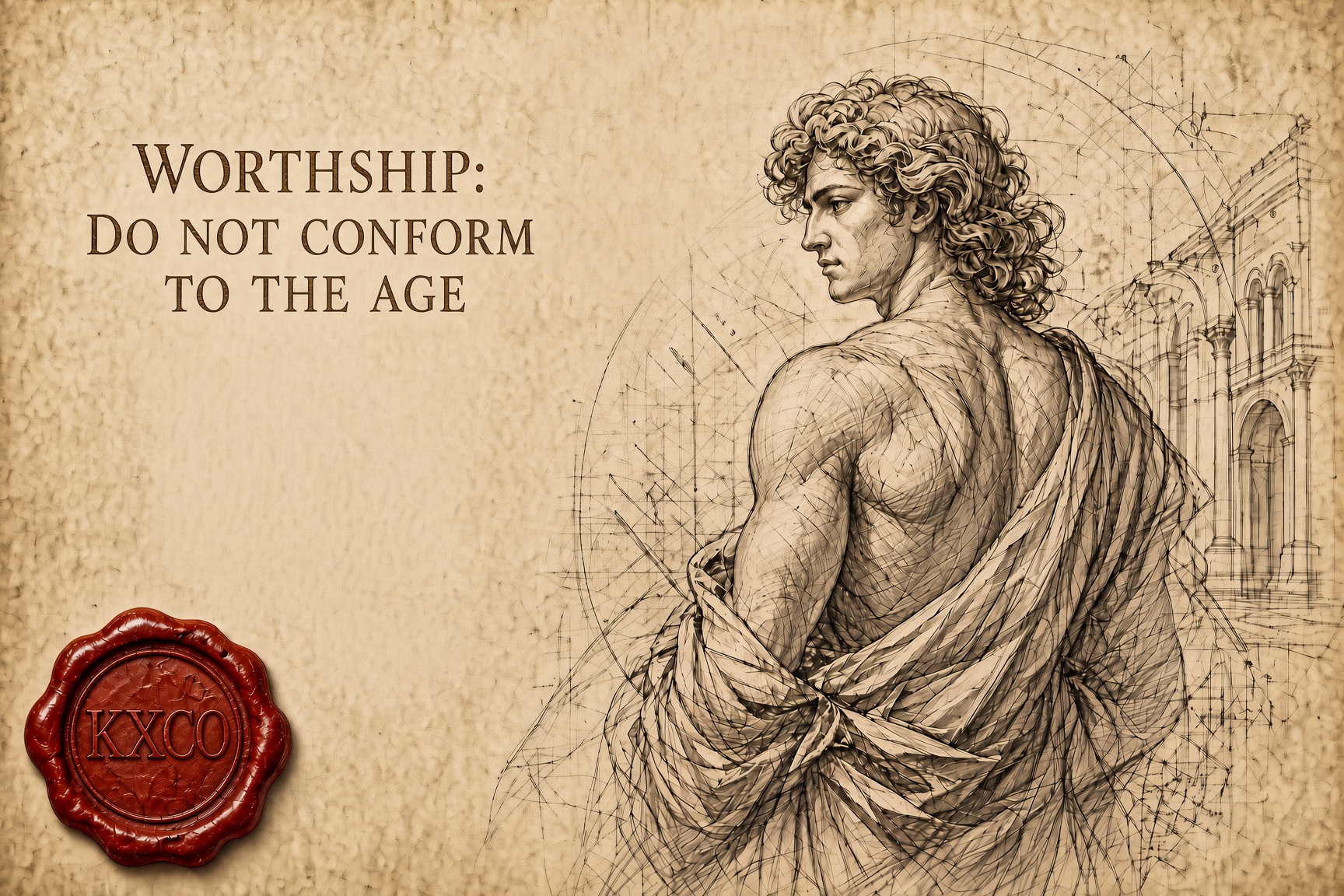
Worthship: Do Not Conform to the Age
Worthship is the older English word for worship, and it means to ascribe worth. Bishop Robert Barron preached Romans 12 on 30 August. This essay follows the text into the prison letters, and puts two questions to a graph: do the four readings of that Sunday agree, and was Paul free or in chains when he wrote about despair?
The Truth in All Its Ugliness Must Survive
A majority vote does not determine the truth. Consensus is a mood, gossip is a sport, and a model will write the pretty version for free. Why the ugly number has to survive, why a record beats a dashboard, and what KXCO was built to keep standing when the room changes its mind.

Don't Be the Best, Be the Only: Winning in an AI World
AI is repricing competence downward. What it cannot reproduce is a life. The case for remaining non-fungible, why friction still produces the best ideas, and what it means to build AI systems that keep the human intellect in them.
Every story, signed and delivered.
Subscribe to the kxco channel and get the headline, the AI-written key takeaways, and the chain-anchor link the moment we publish. Audio versions and per-ticker subscriptions arrive in the next iteration.