
A Brief History of English Coronations
The coronation ceremony is a central event in the history of English monarchs, marking the formal investiture of the new king or queen with the symbols of power and authority. The coronation has evolved over the centuries, reflecting changes in religious beliefs, political systems, and cultural practices. In this article, we will explore the history of English coronations, from their origins in Anglo-Saxon times to the present day.
Origins of English Coronations The origins of the English coronation can be traced back to the Anglo-Saxon period, when the rulers of the various kingdoms were crowned in accordance with pagan rituals. The first recorded coronation of an Anglo-Saxon king was that of Æthelstan in 924 AD, who was crowned at Kingston upon Thames. The ceremony involved the anointing of the king with holy oil, the presentation of a sword and a ring, and the proclamation of the king by the archbishop of Canterbury.

The Norman Conquest and the Development of the Coronation Ceremony The Norman Conquest of 1066 brought about a significant change in the coronation ceremony. William the Conqueror, the first Norman king of England, was crowned in Westminster Abbey in 1066, adopting the Christianized version of the Anglo-Saxon coronation ritual. The Norman kings brought with them the idea of divine right of kings, which held that the king was chosen by God to rule over the people. This belief was incorporated into the coronation ceremony, which became a highly religious and solemn occasion, with the anointing of the monarch by the archbishop of Canterbury playing a central role.
The Medieval Period and the Growth of Royal Power The medieval period saw the growth of royal power and the emergence of a centralized monarchy, with the coronation ceremony becoming increasingly elaborate and symbolic. During the reign of Henry II in the 12th century, the coronation oath was introduced, in which the monarch swore to uphold the rights and privileges of the church and the people. The 13th century saw the introduction of the coronation chair, which was specially made for the coronation of Edward I in 1308 and has been used in every coronation since. The chair is adorned with carvings and inscriptions, including the famous Stone of Scone, which is said to have been brought to England by Edward I and is still used in the coronation ceremony today.
The Tudor and Stuart Periods and the Reformation The Tudor and Stuart periods saw significant changes in the coronation ceremony, as the English Reformation led to a break with the Roman Catholic Church and the establishment of the Church of England. The coronation of Elizabeth I in 1559 was the first to take place under the Protestant ritual, with the anointing of the monarch being replaced by the laying on of hands. The coronation of James I in 1603 saw the introduction of the present form of the coronation oath, which included a promise to uphold the Protestant religion and defend the Church of England.
The Modern Era and the Coronation of Queen Elizabeth II The coronation of Queen Elizabeth II in 1953 marked a new era in English coronations, as it was the first to be televised and seen by millions of people around the world. The ceremony followed the traditional format, with the queen being anointed with holy oil and presented with the symbols of power, including the orb, the scepter, and the crown. The ceremony also included a procession through the streets of London and a service of thanksgiving in St. Paul's Cathedral.
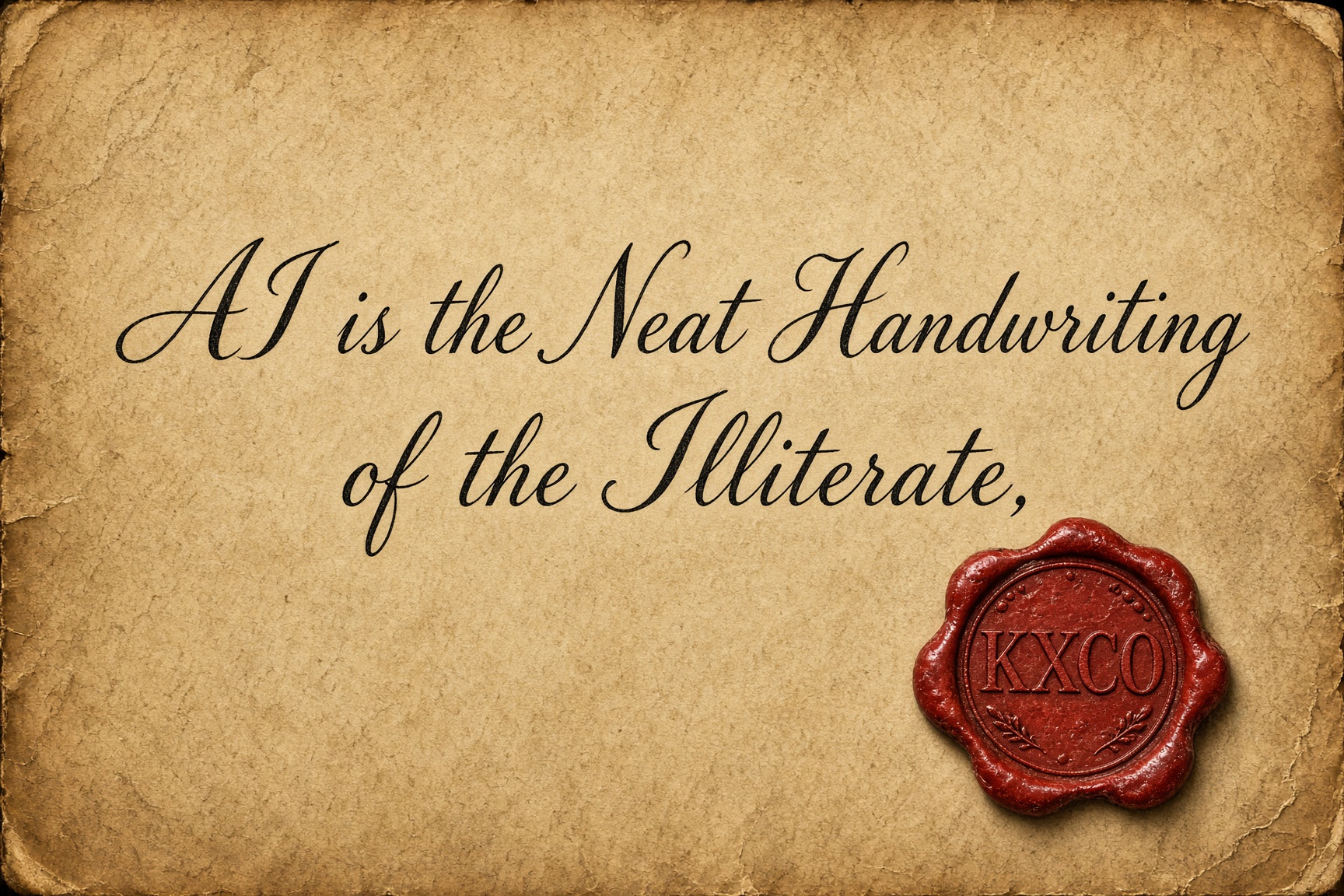
AI is the Neat Handwriting of the Illiterate
A model in the hands of someone who has read the filing and walked the plant is a clerk. The same model, speaking for someone who has done neither, is a disguise. On AI slop, phantom citations and factslop, why finish stopped being evidence of work, and the containment layer KXCO built so a machine cannot speak as the institution until a source is attached.
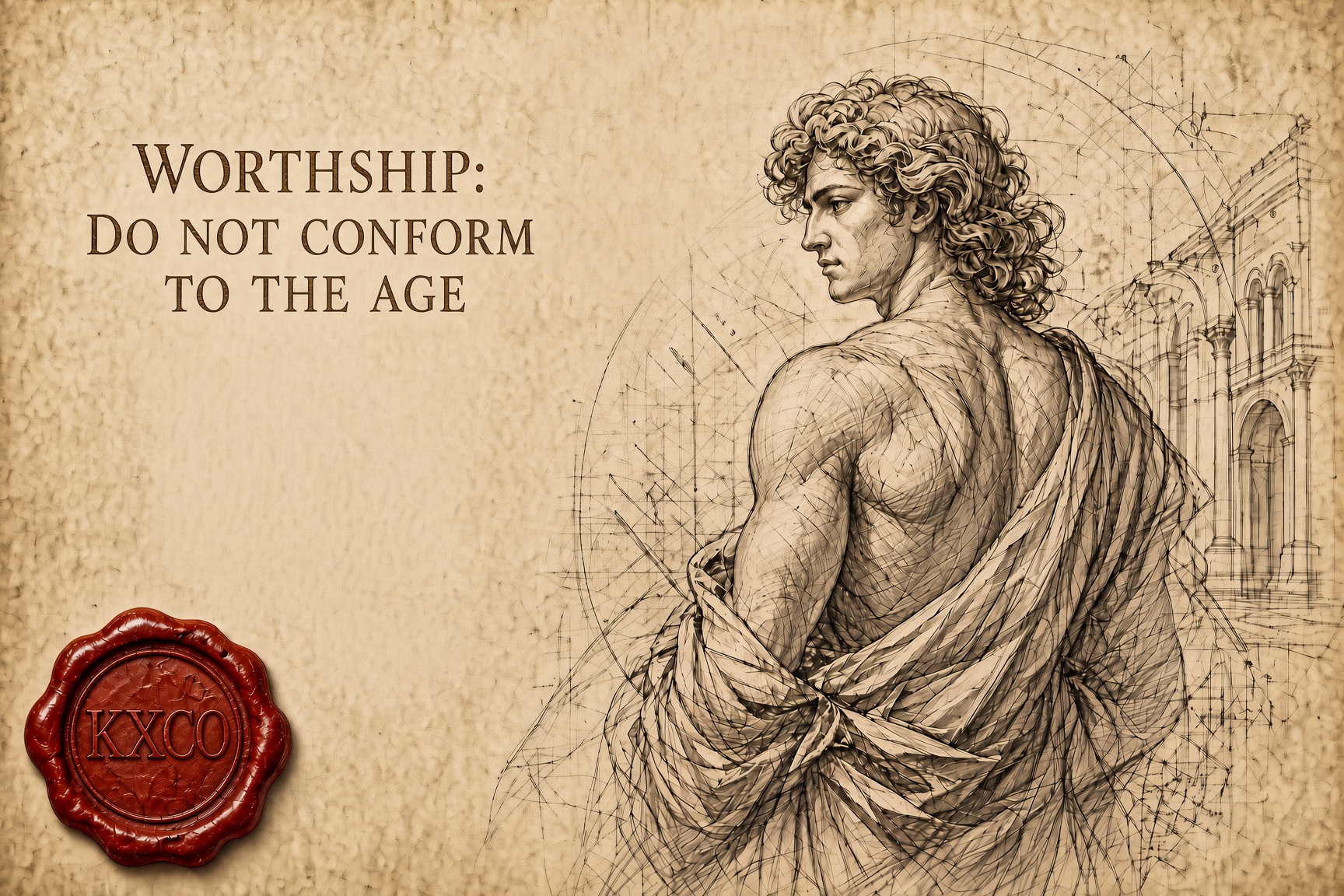
Worthship: Do Not Conform to the Age
Worthship is the older English word for worship, and it means to ascribe worth. Bishop Robert Barron preached Romans 12 on 30 August. This essay follows the text into the prison letters, and puts two questions to a graph: do the four readings of that Sunday agree, and was Paul free or in chains when he wrote about despair?
The Truth in All Its Ugliness Must Survive
A majority vote does not determine the truth. Consensus is a mood, gossip is a sport, and a model will write the pretty version for free. Why the ugly number has to survive, why a record beats a dashboard, and what KXCO was built to keep standing when the room changes its mind.
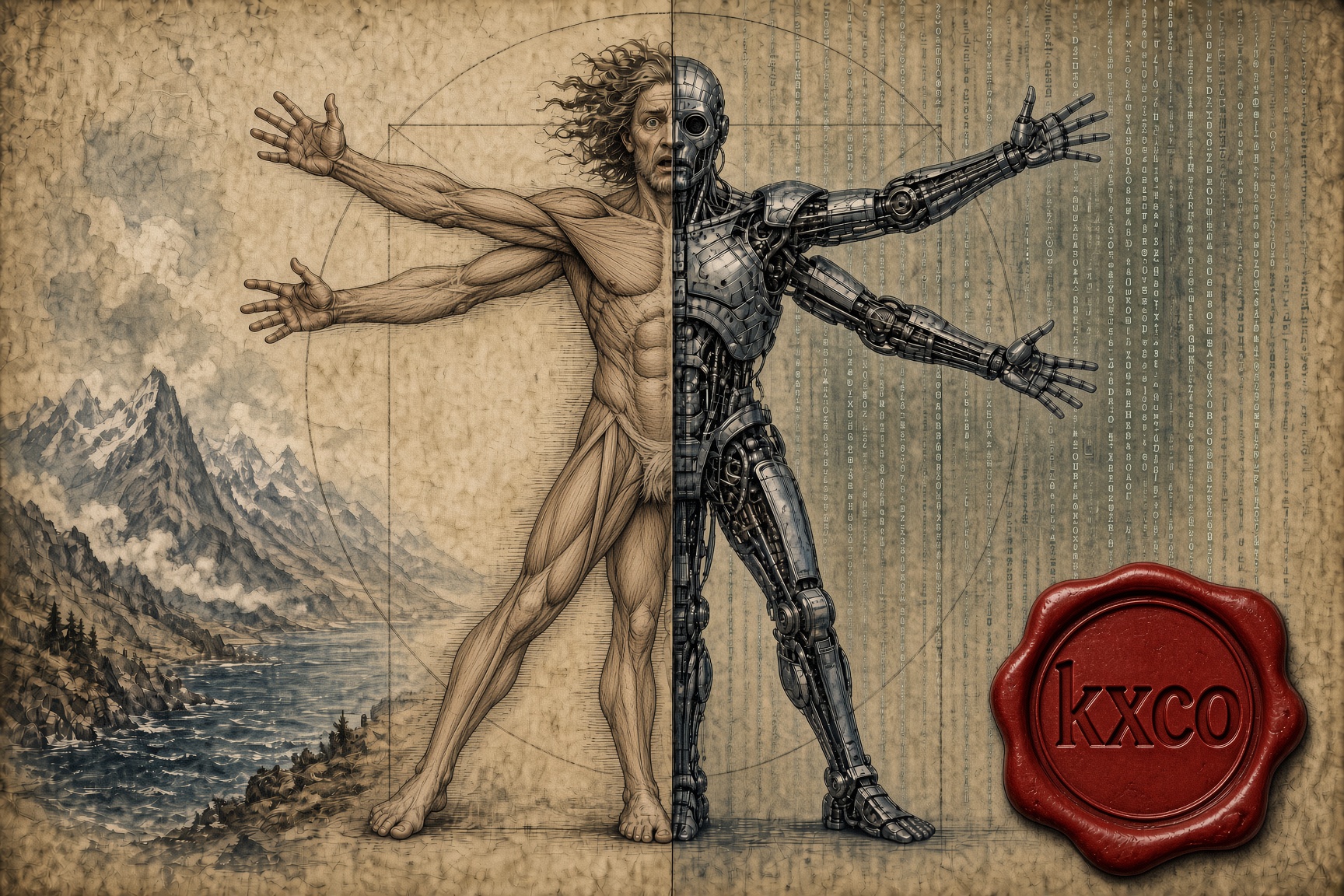
Don't Be the Best, Be the Only: Winning in an AI World
AI is repricing competence downward. What it cannot reproduce is a life. The case for remaining non-fungible, why friction still produces the best ideas, and what it means to build AI systems that keep the human intellect in them.
Every story, signed and delivered.
Subscribe to the kxco channel and get the headline, the AI-written key takeaways, and the chain-anchor link the moment we publish. Audio versions and per-ticker subscriptions arrive in the next iteration.