
The New Nominal is Pro-risk as the World Restarts
#stocks #bonds #inflation #China #risk
"The US economy is seeing a very powerful restart and it is broadening around the world"-- Paul Ebeling
Investment managers, including our firm are strategizing to capture the strong Chinese bounce up and low bond yield rates relative to domestic inflation.
So we have a pro-risk stance, but the way of taking risk is evolving driven by the broadening of the economic restart worldwide.
The broadening economic restart, plus global central banks' resolve to maintain easy money conditions are the Key reasons for maintaining the pro-risk position.
We favor stocks over credit and government bonds on both a strategic and tactical investment visions, and is adding to their underweight on US Treasuries in favor of Chinese government bonds and other Asian fixed income due to higher yields and interest rate stability.
We view China as a major pillar of global growth, as the country has pulled through the virus chaos stronger than global peers as it did following the recession in Y 2008. China surpassed its pre-virus growth trend quickly, with Beijing making efforts to make the country a more attractive hub for investment and reduce risk.
“China has seen a surge of inward investment that began last year, partly due to investors seeking positive real yields not available in the DM world,” the new Blackrock report stated. “This is what we call China’s quality revolution—prioritizing the quality of growth over quantity—and it ties in directly with its ambitions to reach net-zero emissions by 2060.”
Although the economy is “nearing peak inflation” according to Oxford Economics' Chief US Economist US Treasury yields continue to remain low as the Fed adopts a more muted monetary response than in the past to counteract the rising prices.
The BlackRock report refers to this as the “new nominal,” a phenom in which government bond yields are less sensitive than in the past to higher inflation expectations and actual inflation, keeping nominal long term yields low and real yields negative.
This narrative has unfolded in Y 2021: the rise in long-term yields has been mainly driven by higher market pricing of inflation, with real yields remaining pinned in negative territory the report states.
Savvy Fed watchers expect the Fed to start normalizing policy rates in Y 2023, a slower pace than indicated by market pricing for lift-off in Y 2022.
The report states that the market’s lack of confidence in the Fed’s commitment to its new framework “poses a risk of tighter financial conditions in the short term,” with this uncertainty expected to dissipate over time.
Shayne and I see the policy response to rising inflation to be a lot more muted this time around compared with previous cycles and lift off is still a long way off.
So, here we turn to the new nominal theme, and the combination of this trend's growth and very negative real interest rates is a potent mix that keeps us pro-risk.
Have a positive weekend, Keep the Faith!

Understanding the US China AI and Quantum Landscape
AI and quantum are usually reported as a US–China race. The more useful story is two different systems — frontier capital versus open-source scale — entangled through shared chokepoints. Shayne Heffernan maps the landscape with the KXCO AI Sector Ontology, with comparison graphics and the investable names.
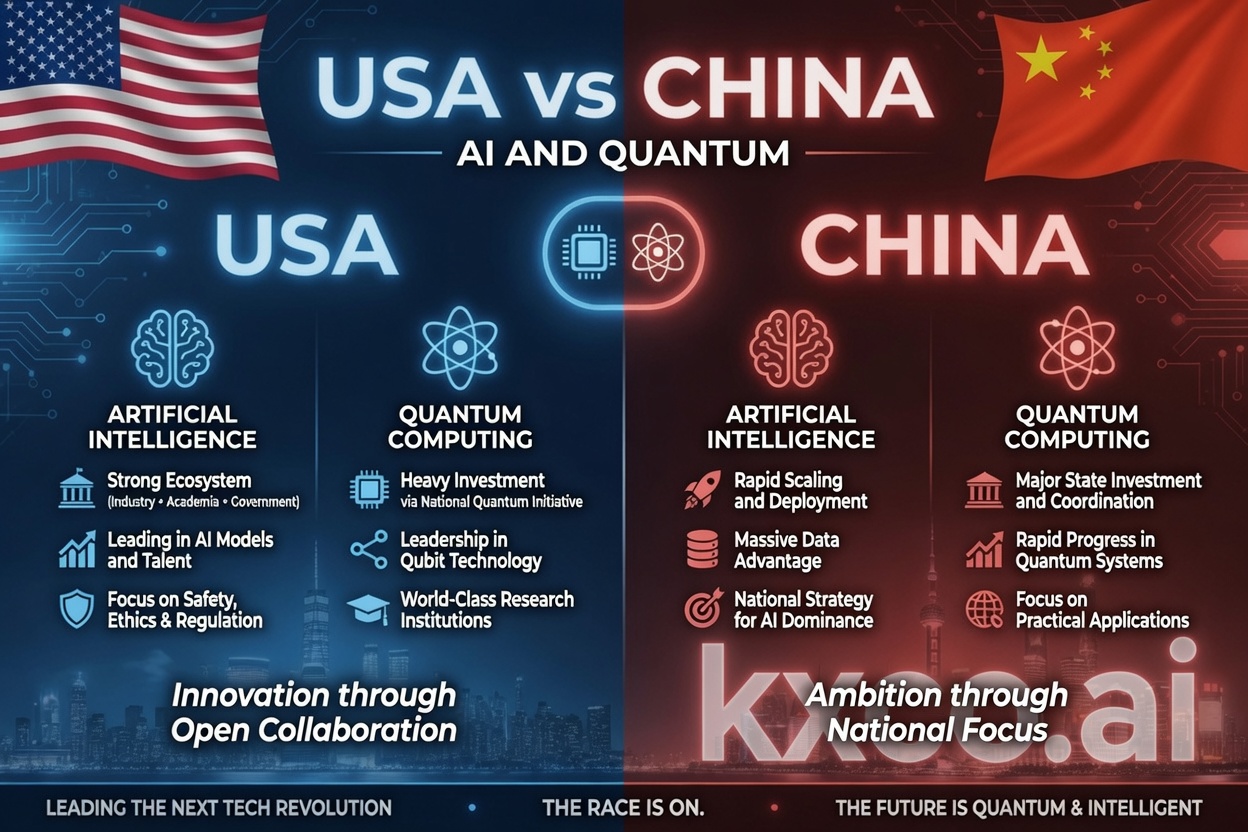
USA vs China: The AI and Quantum Scorecard
The US still leads AI models and chips by a whisker; China leads power and open-weight models outright. Shayne Heffernan scores the four races that will decide the decade.
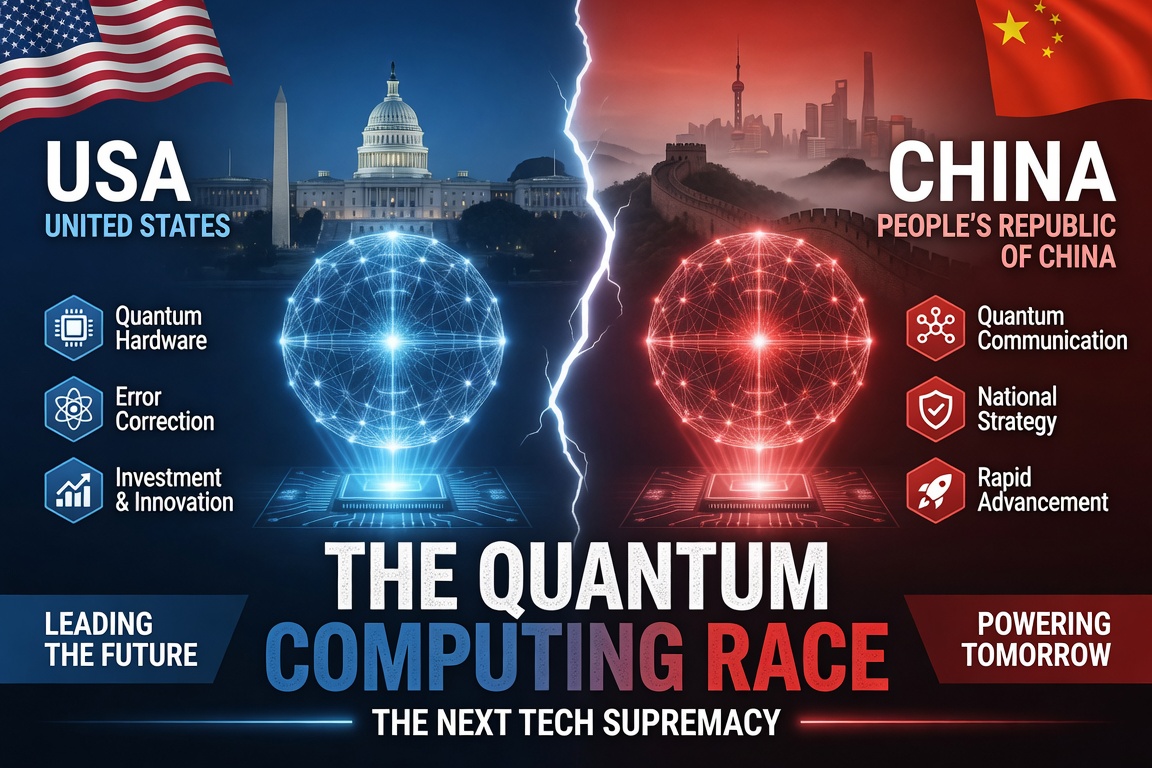
USA vs China: The Quantum Computing Race
The U.S. still leads quantum computing, but China has closed the gap fast — on hardware scale, supply-chain self-reliance and quantum networking. A category-by-category scorecard as of June 2026.

Larry Fink Called It. CME Just Made It Real. The Compute Futures Market Has Arrived
Every story, signed and delivered.
Subscribe to the kxco channel and get the headline, the AI-written key takeaways, and the chain-anchor link the moment we publish. Audio versions and per-ticker subscriptions arrive in the next iteration.