
KXCO's New Names, Explained
On 9 October 2026 KXCO brought its products into one family of seven, the House. What each name means, where every former name went, and what did not change.
On 9 October 2026 KXCO brought its products into one family of seven and called the family the House. Most of the products changed their names the same day. Sentinel became Portcullis, Treasury became Sovereign, Meridian became Guildhall, and the two names that stayed, Round Table and Armature, took their places in a structure with one centre, four commercial lines and two foundations, per the knowledge base. This guide says what each name means, where every former name went, and what did not change. The longer version, with the developer notes, is on the KXCO developer blog.
One centre, four lines, two foundations
KXCO's proposition is that two parties with no reason to trust each other can each check the same record against a standard both can inspect. The bridge in the Knightsbridge name stands for that crossing, and the House stands beside it. Each product is named for a room or office that a medieval or Renaissance household relied on: the council, the gate, the herald, the coin, the hall, the trading league and the frame that holds the building up.
Seven is the cap. A product earns its own name only when it has its own buyer and price list. Everything else is a module inside one of the seven, written as the product name and a plain word, such as Portcullis Survey, per Writing about KXCO. The centre holds the record. The four commercial lines are what institutions buy. The two foundations are sold to developers and identity teams and reach institutions through the lines.
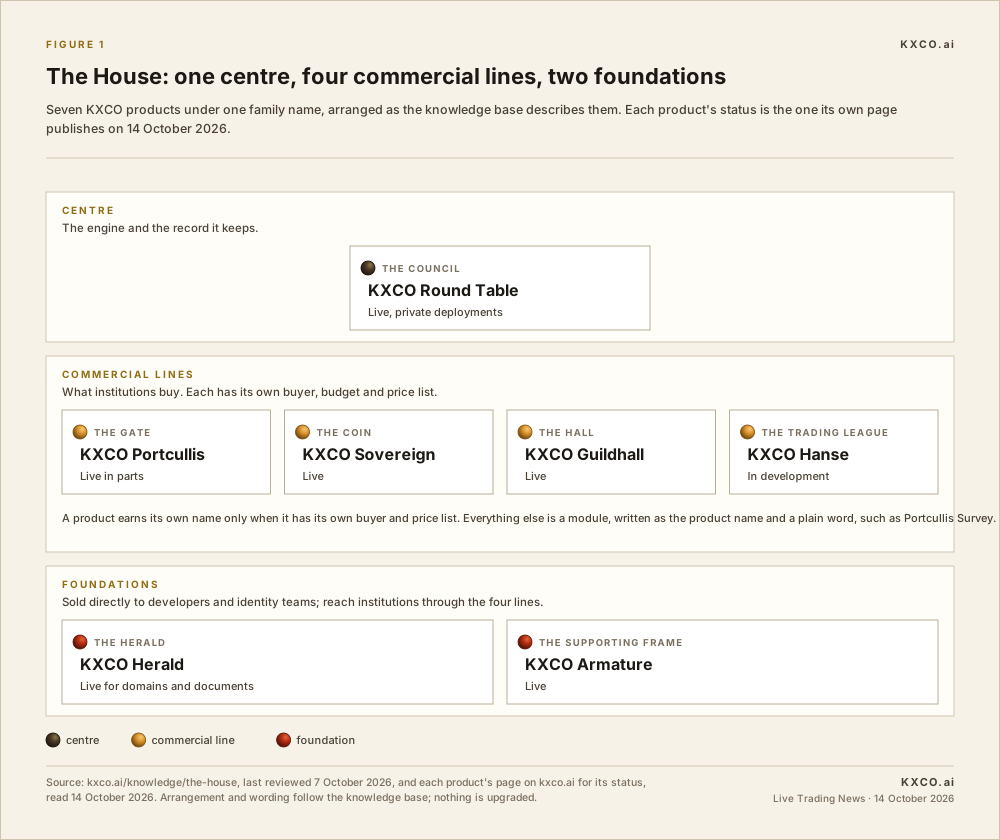
Figure 1. The House as a plan. Each status is the one the product's own page publishes on 14 October 2026.
The seven, and what each name means
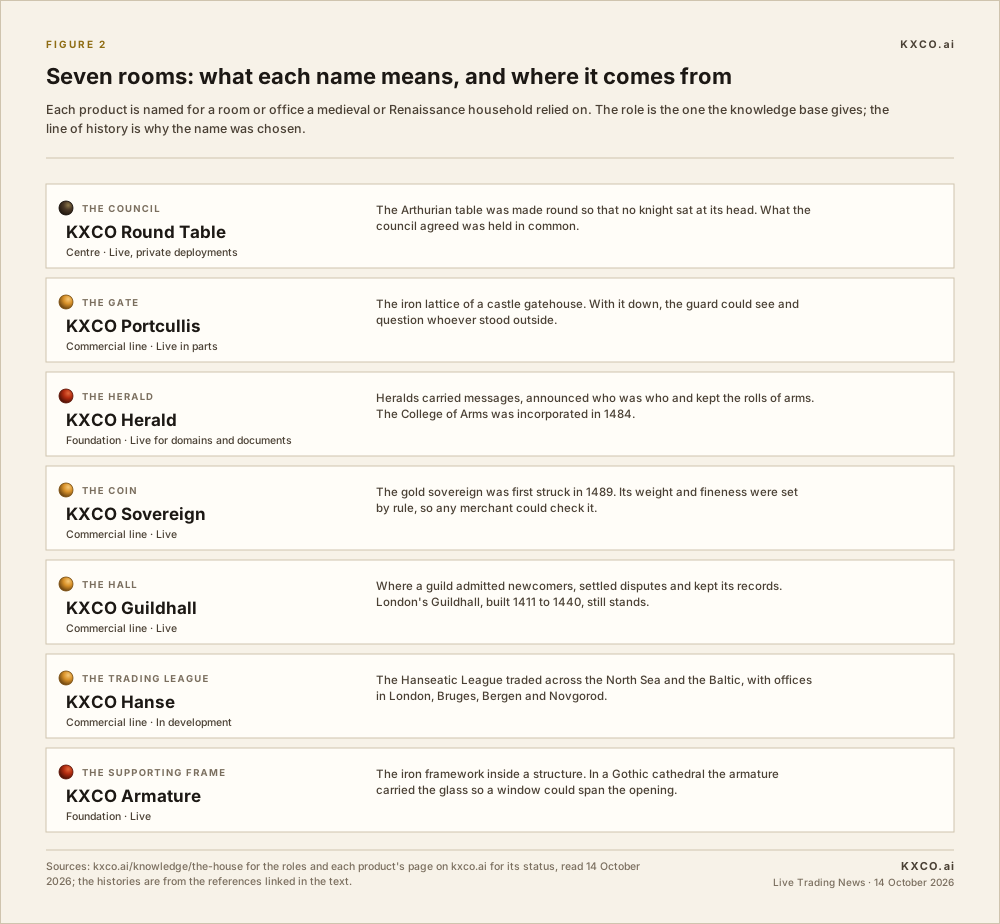
Figure 2. Seven rooms: what each name means and where it comes from.
Round Table is the council. In the legend the table was made round so that no knight sat at its head, per Britannica. The product keeps the shared data model at the centre of the House, with every claim carrying its source, basis, confidence and the date it took effect. It is live in private deployments, and public maps use public data only, per its page. KXCO Sovereign AI and the AI Sector Ontology both fold into it, as Round Table, private deployment, and the Round Table Live map.
Portcullis is the gate, the iron lattice of a castle gatehouse that let the guard question whoever stood outside before anything was let through, per Britannica. It finds quantum-vulnerable cryptography across an estate, is designed to record the fix and hold back releases that fail policy, and scores what an AI agent declares about its own governance. It is live in parts: the readiness scan, the agent posture score and the free scan, per its page. Sentinel, Bastion, PQC Host and Agent Certainty all became Portcullis or one of its modules.
Herald is the herald. Medieval heralds announced who was who and kept the rolls of arms, and the English heralds were incorporated as the College of Arms in 1484, per the College of Arms. Herald issues identities, lets holders sign, lets anyone verify, and revokes. It is live for domains and documents, with identity for people and AI agents in development, per its page. KXCO Verified became Herald Verify, and the word was retired on purpose: a checkmark says a platform vouches for you, and a signature shows you signed.
Sovereign is the coin. The gold sovereign was first struck in 1489, with its weight and fineness set by rule so any merchant could check it, per Wikipedia. The product is the software institutions use to hold, exchange and settle value under common rules, and KXCO holds no customer assets. It is live, per its page. KXCO Treasury became Sovereign, and KnightsPurse became Sovereign self-custody, a module and not a wallet brand.
Guildhall is the hall, where a guild admitted newcomers, settled disputes and kept its records. London's Guildhall was built between 1411 and 1440 and still stands, per Wikipedia. The product gives a Member a controlled room for a deal, with guests on scoped tickets, watermarked reader copies and a named person approving. It is live, per its page. KXCO Meridian and Nexus became Guildhall.
Hanse is the trading league, after the Hanseatic League that traded across the North Sea and the Baltic with offices in London, Bruges, Bergen and Novgorod, per Britannica. It is software for moving money between markets through licensed partners, with identified senders and receivers. It is in development with no launch date set, per its page. OneWorld became Hanse.
Armature is the supporting frame, the iron framework that carried the glass in a Gothic window so it could span an opening no single pane could, per Wikipedia. It is the layer-one network that gives the House its public record, signing with ML-DSA-87 from NIST FIPS 204, with the explorer at chain.kxco.ai. It is live, per its page. KXCO Chain became Armature, and Armature L1 survives in developer documents only.
Where every former name went
Exhibit 1 draws the move: 12 former names, the product or module each became, and the product each module belongs to. The authoritative list is the knowledge base page Former names.
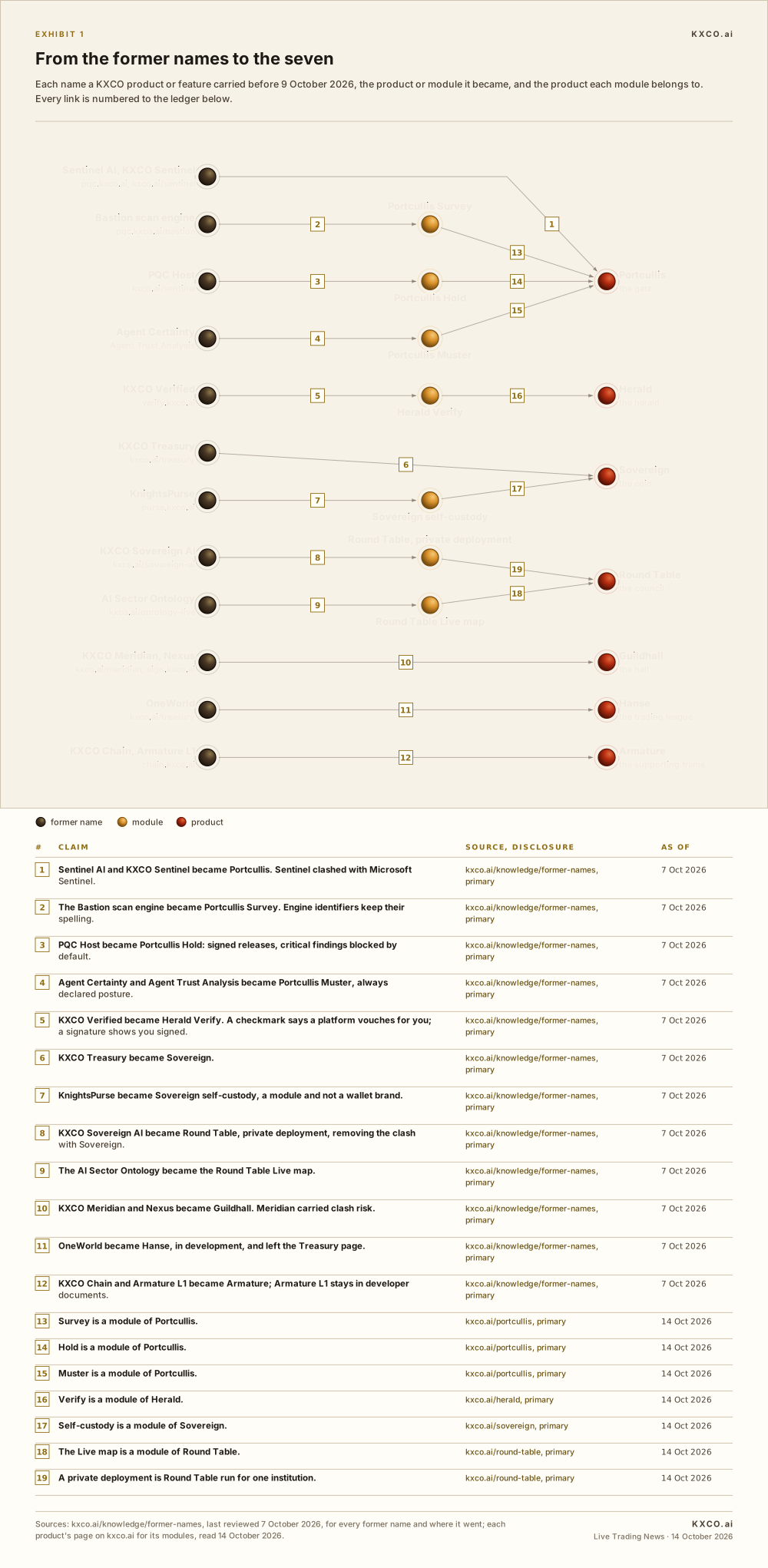
Exhibit 1. From the former names to the seven. Each numbered link is a claim from the knowledge base or a product page, listed under the graph.
How the seven connect
Each product page carries an "In the House" section. Exhibit 2 draws those lines and nothing else. Armature is the record that Portcullis anchors on, Sovereign settles on and Hanse is designed to use. Herald is designed to identify the parties in a Guildhall room, the senders and receivers in Hanse, and the agents and signers in Portcullis. Guildhall settles through Sovereign or through a Member's own custodian, and uses Round Table Review on larger transactions. Round Table reads the other products' findings in as sourced claims.
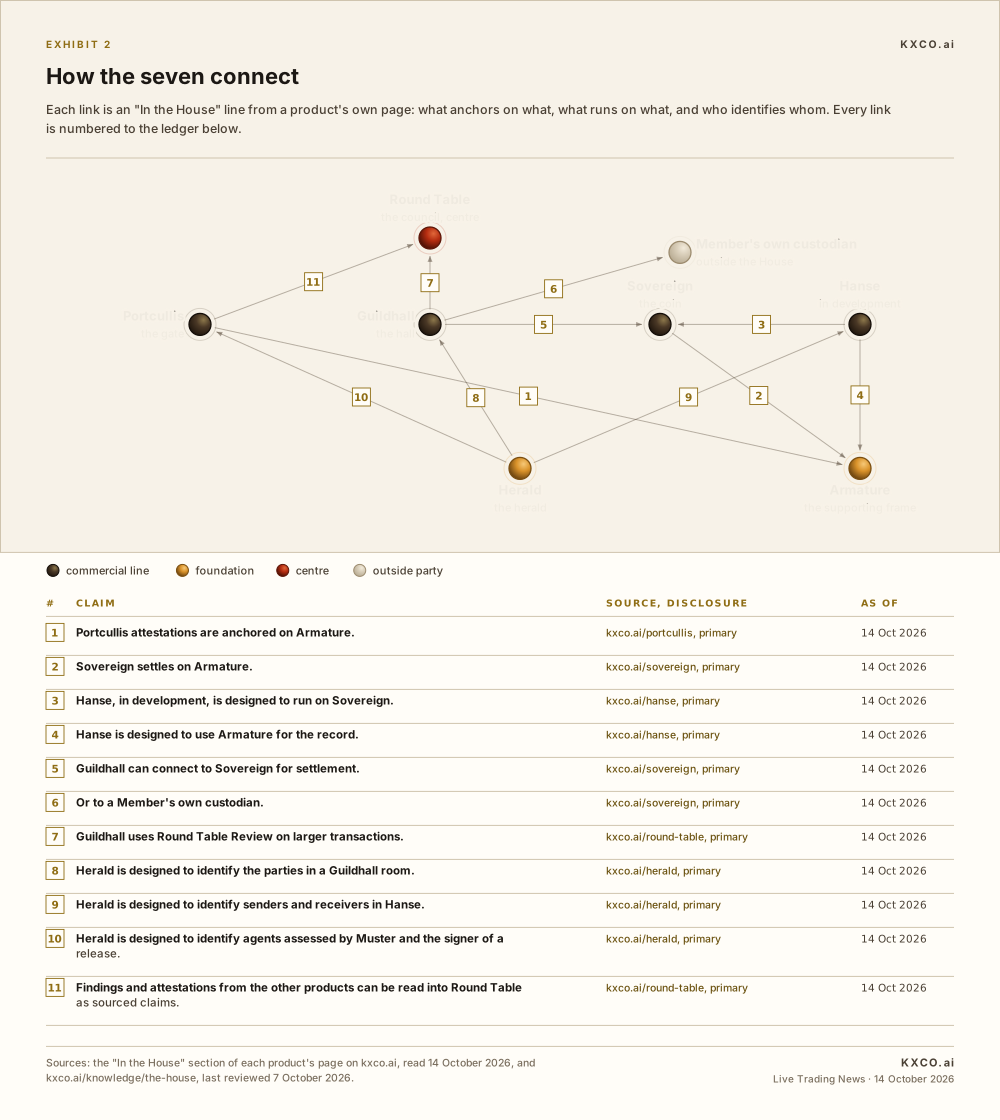
Exhibit 2. How the seven connect. Each numbered link is an "In the House" line from a product's own page, listed under the graph.
What did not change
The old addresses redirect. kxco.ai/sentinel, kxco.ai/treasury, kxco.ai/meridian, kxco.ai/nexus and kxco.ai/sovereign-ai each return a 301 to the new product page, and kxco.ai/chain goes to chain.kxco.ai, read on 14 October 2026. Package names, routes in code and other technical identifiers keep their spelling, so the free scan is still kxco-pq-scan on npm and the chain is still chain ID 1111111. KXCO Command is no longer a KXCO product and has no successor. Pieces published before 9 October keep their text and carry a note naming the products as they are called now.
The forms KXCO uses itself are short. The company is KXCO by Knightsbridge. A product takes KXCO at first use and the name alone afterwards. A module is the product name and a plain word. Round Table is two words and every other product name is one. Hanse, not Hansa. Describe a product in development as in development, and copy a status from the product's own page rather than upgrading it.
The next facts to watch are the Herald page, which will say when identity for people and AI agents moves from development to live, the Portcullis page, which lists what is live as Hold and Fortify arrive, and the Hanse page, which carries no launch date today.
Sources: the KXCO knowledge base pages The House, The seven products, Former names, Glossary and Writing about KXCO, and each product's page on kxco.ai, read on 14 October 2026; the histories from the College of Arms, Britannica and Wikipedia as linked.
Shayne Heffernan, Ph.D., is the founder of Live Trading News, the KnightsBridge Group, Knightsbridge Law and the KXCO.ai ecosystem spanning post-quantum cryptography, identity, attestation and enterprise ontology.
This commentary is for informational purposes and does not constitute investment advice.
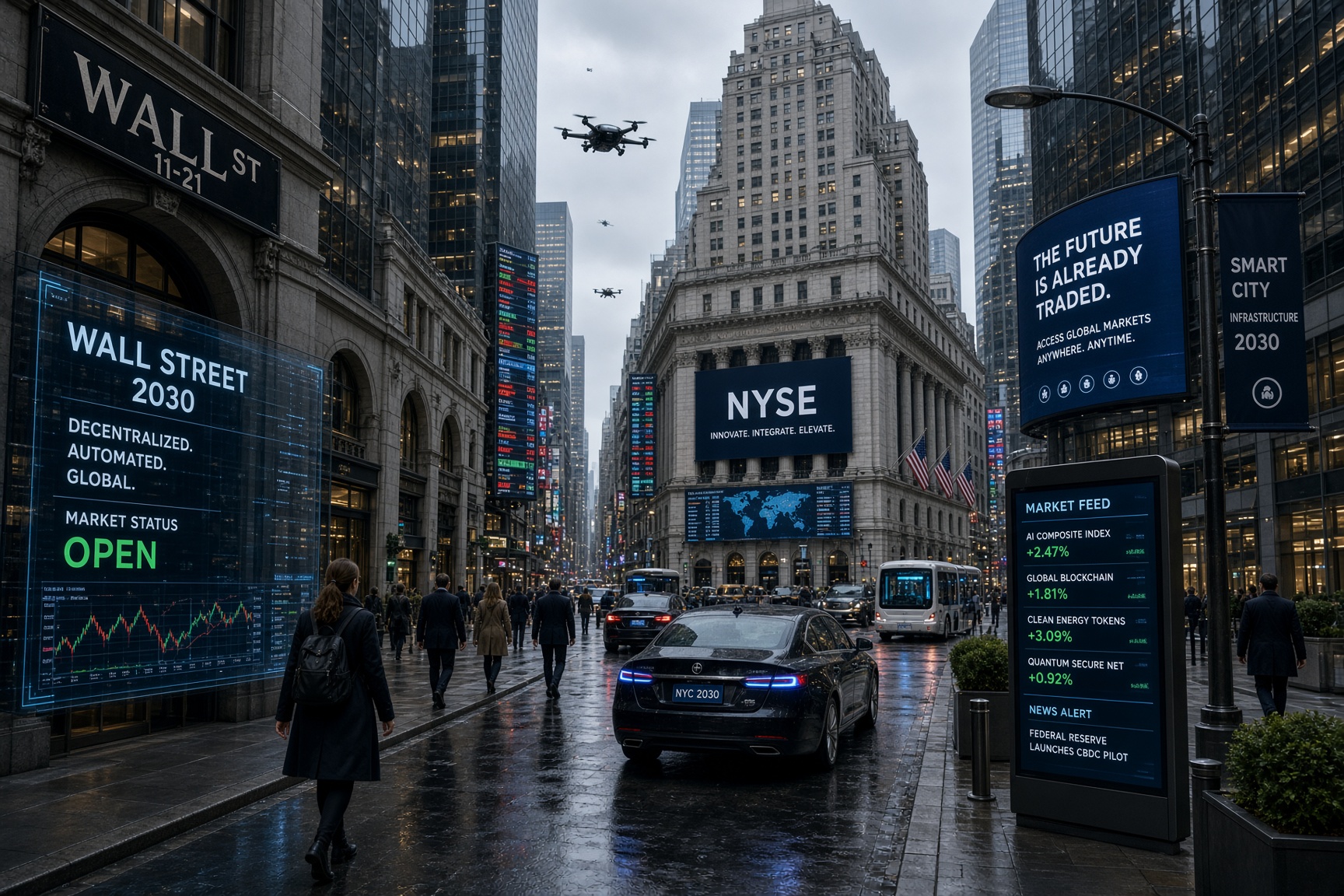
Tokenized Assets for Wall Street
Regulators now ask whether the ledger is the register, who holds each unit, and whether a transfer is checked before it clears. KXCO answers all three in software: a register that settles on a chain whose validators attest every block with ML-DSA-87, holders admitted by the licensed institution under its own KYC with the Travel Rule in the wallet, and the offering's rule applied before a unit moves. The close is a market to sell into.
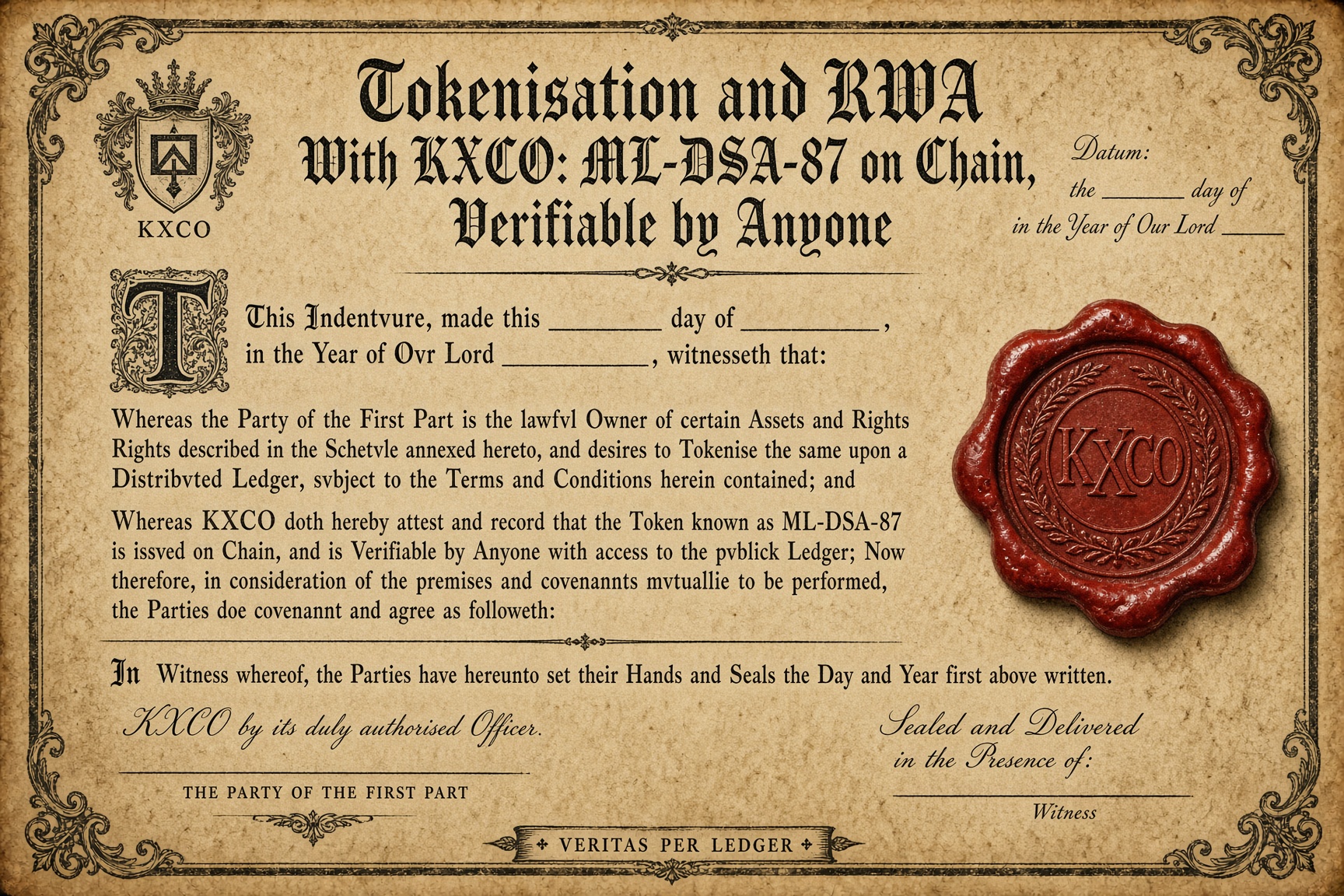
Tokenisation and RWA With KXCO: ML-DSA-87 on Chain, Verifiable by Anyone
Armature, KXCO's chain, has verified ML-DSA-87, the highest security category in NIST FIPS 204, natively on chain since 6 October 2026, and KXCO's platform signing keys moved to it on 6 and 7 October. Regulators now name tokenisation a supervisory priority, and DORA already requires cryptography that can change with cryptanalysis. Six tests an institution should run before it trusts a tokenisation platform, and where to check KXCO's answer to each.
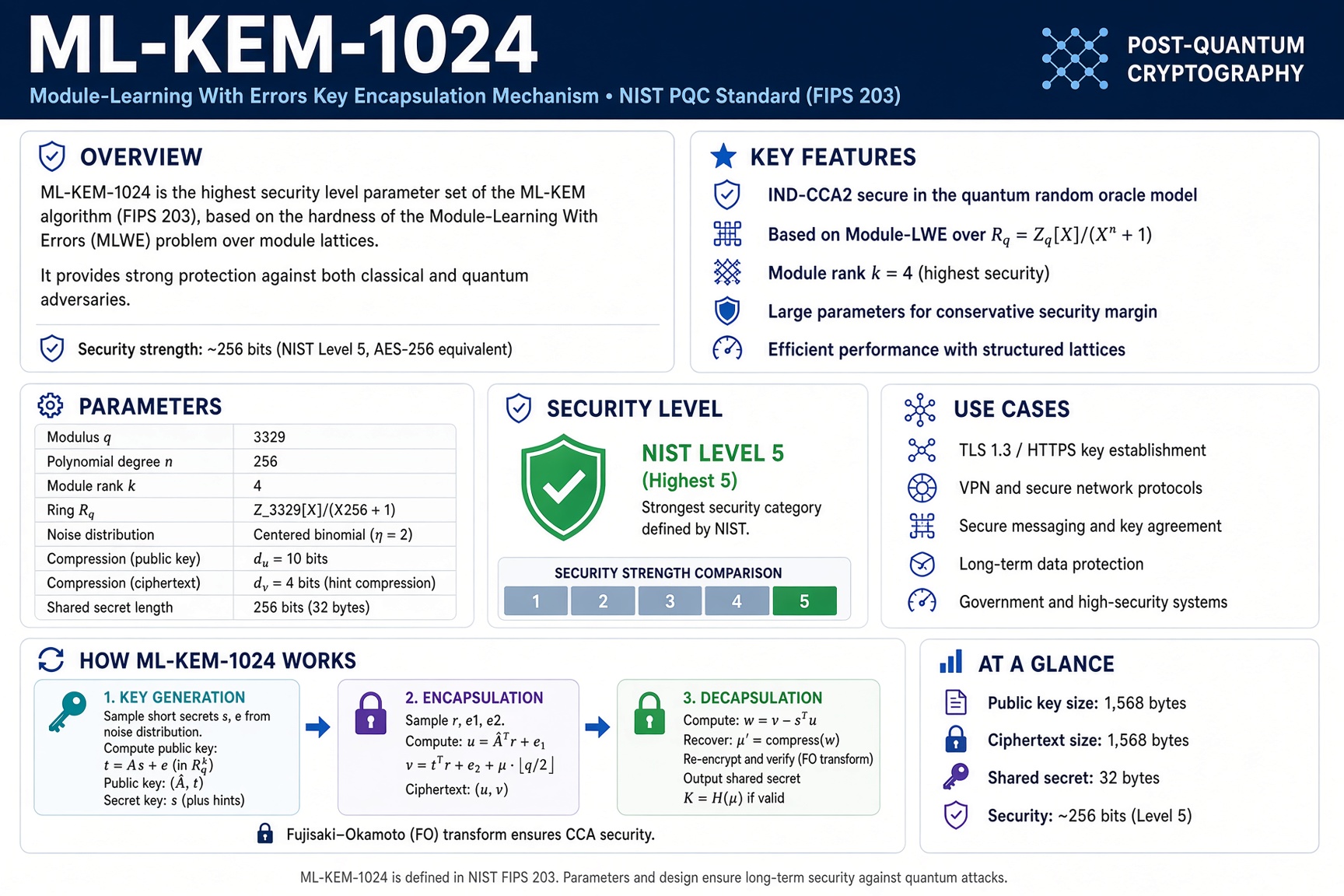
KXCO Makes ML-KEM-1024 Its Default, Completing the CNSA 2.0 Algorithm Pair
KXCO has made ML-KEM-1024 the default for new keys and new encryption in its post-quantum packages and its pqc.kxco.ai file vault. With its ML-DSA-87 signing keys, that is the pair of parameter sets NSA names in CNSA 2.0, which from 1 January 2027 governs new acquisitions for US national security systems. Every release was tested against the earlier releases from npm: data and keys made with ML-KEM-768 keep working.
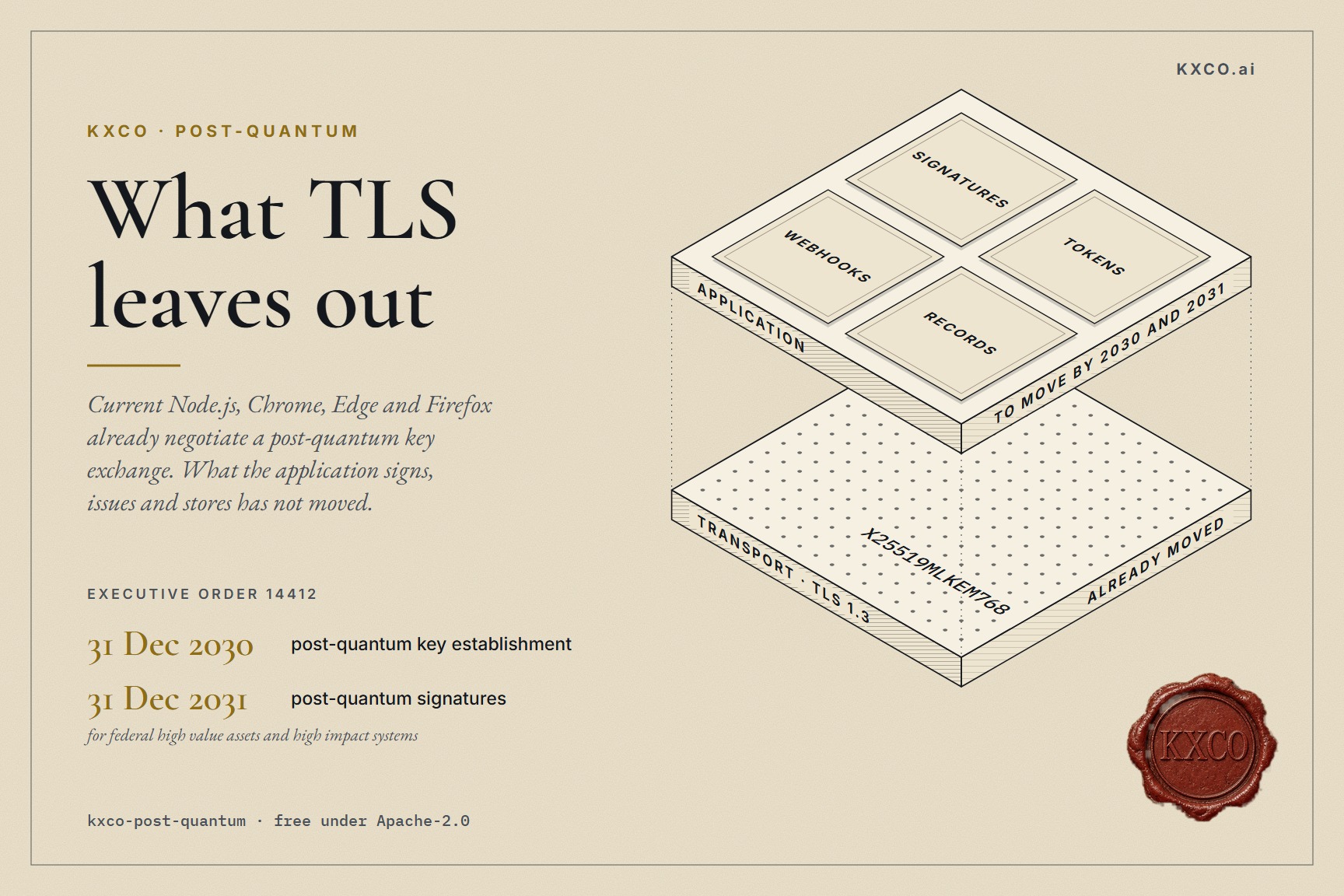
KXCO's Free Post-Quantum Library Covers What TLS Leaves Out
TLS already moved: current Node.js releases and the major browsers negotiate a hybrid post-quantum key exchange. What an application signs, issues and stores has not. Executive Order 14412 sets 31 December 2030 for post-quantum key establishment and 31 December 2031 for signatures in federal high value systems. kxco-post-quantum is KXCO's free Apache-2.0 library for that layer, tested against NIST's vectors. KXCO sells only the operated part: a live answer on whether a key is still trusted.
Every story, signed and delivered.
Subscribe to the kxco channel and get the headline, the AI-written key takeaways, and the chain-anchor link the moment we publish. Audio versions and per-ticker subscriptions arrive in the next iteration.