
KXCO's FDA Ontology Ranked INO-3107 First. The FDA Approved It.
For nine days the first screen of KXCO's FDA ontology put Inovio's INO-3107 at the top of its ranking of FDA decisions due in the next 90 days. The FDA approved it on its target date, and the record took in the FDA's letter the same night.
Part of theStocks Center
On 30 October 2026 the US Food and Drug Administration (FDA) granted accelerated approval to INO-3107, Inovio's DNA medicine for recurrent respiratory papillomatosis (RRP), on the target date it had set for its decision. The product is now named VOCERYQ.
For the nine days before that decision, one filing sat at the top of the first screen of KXCO's FDA ontology, the research room at kxco.ai/fda. The ontology is a record of FDA filings, pending and decided, the companies behind them and the links between them, in which every statement carries the document it was read from. Its first screen asks one question, where the biggest opportunity is, and ranks the FDA decisions due in the next 90 days that carry every input by potential return. On the day of the decision its answer read: "#1 in the next 90 days: INO-3107 (Inovio, INO), decision 30 Oct, potential return +103%."
The room first ranked the filings this way on 21 October 2026. INO-3107 was first on that day and at every one of the 29 updates to the live page from then until 30 October. It never lost the top place. Its potential return stood at +112% on 21 October and at +103% from 22 October, when the room began counting refused applications in its probability of approval.
The system then did the second part of its job. Its status watch flagged the approval at 00:20 UTC on 31 October, which was 8:20 pm on 30 October in New York, and the record held the FDA's own approval letter 19 minutes later. A headline started the check. The FDA's letter and Inovio's release are what went into the record.
This article sets out what the ontology said before the decision, how it reached its figure, what it held about the filing, and what it shows a biotech fund about the decisions still to come. Figures from public documents link to them, and the room is open to read.
What the first screen said, and how it got there
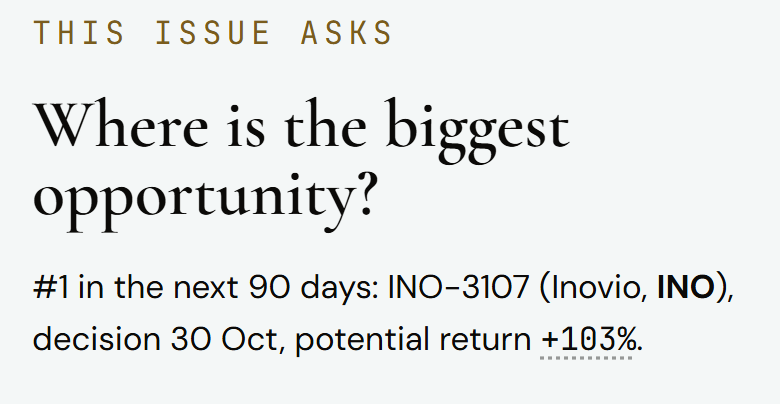
Exhibit 1 source: the first screen of kxco.ai/fda, at phone width, read on 31 October 2026, with quotes as of 20 October 2026.
The room defines potential return in a single sentence: "the probability of approval times the upside to the major banks' median price target, less the probability of refusal times the fall on a refusal." Each of the three inputs is a number the room can source, and each is shown on the screen beside the result.
The probability. This is how often applications like this one cleared their first FDA review, counted across every original application that reached a first FDA action from 1 January 2024 to 31 July 2026, refused ones included. For INO-3107 the room used 60.6%.
The upside. This is the distance to the major banks' median price target. For Inovio it was +200%, from one bank with a buy rating, against a share price of $1.00 on the room's quotes of 20 October 2026.
The fall on a refusal. This is the floor the room sets for the downside case. For Inovio it was 47%, to the company's net cash, read by hand from its latest filing.
Worked through, 60.6% of +200% is 121.2 points, and 39.4% of a 47% fall is 18.5 points. The difference, rounded, is the +103% on the screen. The next filings in the ranking were Relutrigine at +68% and Bezuclastinib at +65%.
The floor matters as much as the upside. The ranking does not assume a fixed fall on a refusal. It uses the company's net cash per share, read by hand from its latest filing, where the company is the drug, and otherwise the largest refusal-day fall the room has measured. The four refusal days it has measured, net of the SPDR S&P Biotech exchange-traded fund (XBI), came to −9.7%, −35.1%, −5.7% and +3.4% on the room's page as read on 31 October 2026. A fund can see what the downside case rests on and test it against its own view.
The ranking weighs the reward on an approval against the risk of a refusal, with the same three inputs for every filing. That is the trade a biotech fund prices every day. The room writes it down, shows each input, and keeps the result in public.
The same night: how the record took in the decision
The room checks the status of every filing twice a day. The check reads the news for every drug still waiting on the FDA and treats each headline as a tripwire, never as a source. When a headline suggests a status has changed, the record changes only after a person has read the primary document: the FDA's letter, the sponsor's release or the sponsor's filing with the US Securities and Exchange Commission (SEC).
That is what happened on 30 October. The watch run at 00:20 UTC on 31 October found two headlines reporting the approval, and it flagged that INO-3107's target date had passed with the record still pending. The record was then changed from two documents:
The FDA's approval letter for biologics licence application (BLA) 125825/0, headed "ACCELERATED BLA APPROVAL" and dated 30 October 2026. The FDA links it from its VOCERYQ page, under Approved Cellular and Gene Therapy Products.
Inovio's release of the same day, which states that the FDA "has granted accelerated approval for VOCERYQ (doruxapapogene ralaplasmid and lalikinogene sifuplasmid-gxfd), previously referred to as INO-3107".
The change was committed at 00:39 UTC. The script that made it reads both documents again before it writes, and it refuses to write if either sentence is missing from its page word for word.
For a fund, speed matters less than what the change rests on. A headline can be early, late or wrong. A record that moves on the FDA's own letter rests on the document the FDA signed, and anyone can open the letter and check.
What the FDA approved
The FDA's letter authorises the product as indicated to reduce the frequency of surgical papilloma excisions in adults with recurrent respiratory papillomatosis. RRP is a rare, debilitating disease caused primarily by HPV-6 and/or HPV-11, two types of human papillomavirus (HPV). In RRP, wart-like growths form in the airway and often grow back after surgery.
Accelerated approval comes with a condition. The letter requires a confirmatory study of at least 50 adult and paediatric patients with RRP, each needing three or more surgical interventions in the year before treatment. The study is to follow the number of surgeries for at least three years.
Inovio's release gives the evidence behind the decision. In its RRP-001 study, seven of the 26 patients in the efficacy population (27%) had a complete clinical response, which Inovio defines as needing no surgical excision of papillomas after 12 months of follow-up. Inovio describes VOCERYQ as the first DNA medicine approved by the FDA. It expects the product to be available to order and ship in about 60 days, with full commercial launch in the first quarter of 2027, and it holds a conference call on Monday 2 November at 8:00 am ET. The approval covers VOCERYQ given with CELLECTRA 5PSP, Inovio's own delivery device, and Inovio has engaged Syneos Health to support the recruitment and deployment of its medical and commercial field teams.
What the record held before the decision
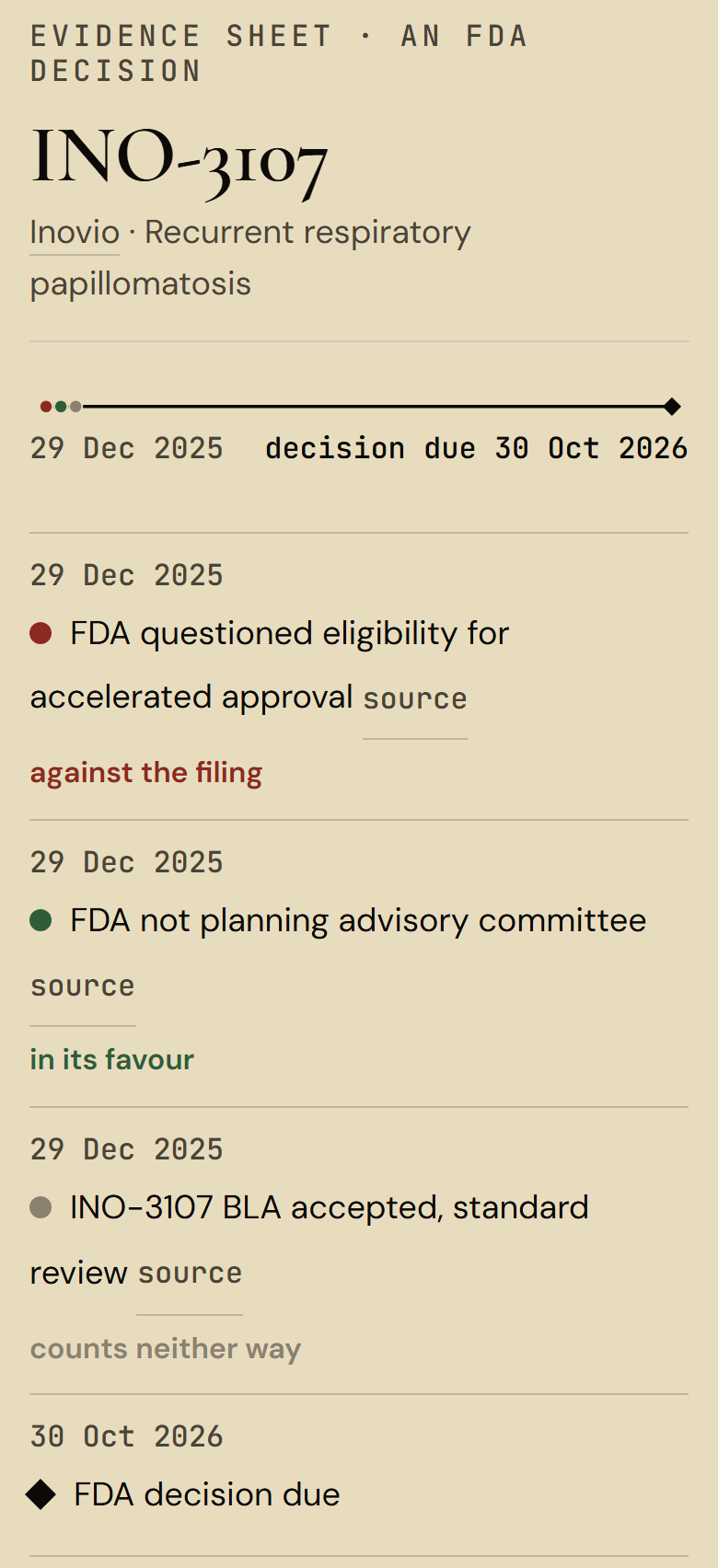
Exhibit 2 source: INO-3107's evidence sheet on kxco.ai/fda, read on 31 October 2026, before the approval was added.
The room held a balanced file. It recorded three FDA events for INO-3107, all from Inovio's report of 29 December 2025, and it marked each one for what it meant:
The FDA accepted the application for review, and designated the review Standard. The sheet marks this as counting neither way.
The FDA said it was not currently planning to hold an advisory committee meeting. The sheet marks this in its favour.
The FDA noted, as a potential review issue, its preliminary conclusion that the Company has not submitted adequate information to justify eligibility for the accelerated approval pathway. The sheet marks this against the filing.
The record also held that the FDA had approved a rival treatment for adults with the disease, PAPZIMEOS, in August 2025.
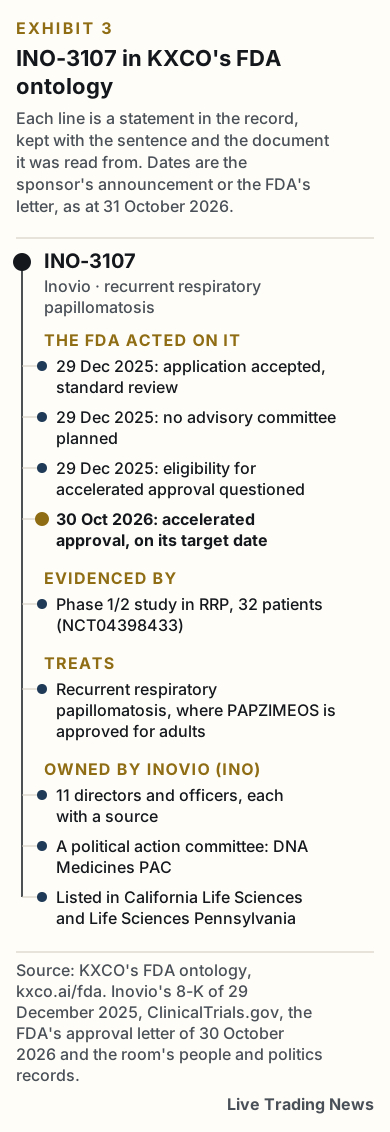
Exhibit 3 sources: the room's record behind INO-3107's evidence sheet, Inovio's report of 29 December 2025, the FDA's approval letter and Inovio's release.
The FDA's question about eligibility was on the record before the ranking went live. The first screen still ranked the filing first, because on the numbers the room could source the reward on an approval outweighed the risk of a refusal. That is the value of holding the concern and the opportunity in one place, each with its document: a fund can see both, weigh both and check both.
After the approval: the cash question
An approval settles the regulatory question and opens a commercial one. The room's Funded to view ranks 13 companies by the quarters their own cash carries them past their nearest FDA decision, fewest first. The cash is read from each company's 10-Q or 6-K at 30 June 2026, with the offerings, loans and payments stated in later SEC filings to 28 October 2026.
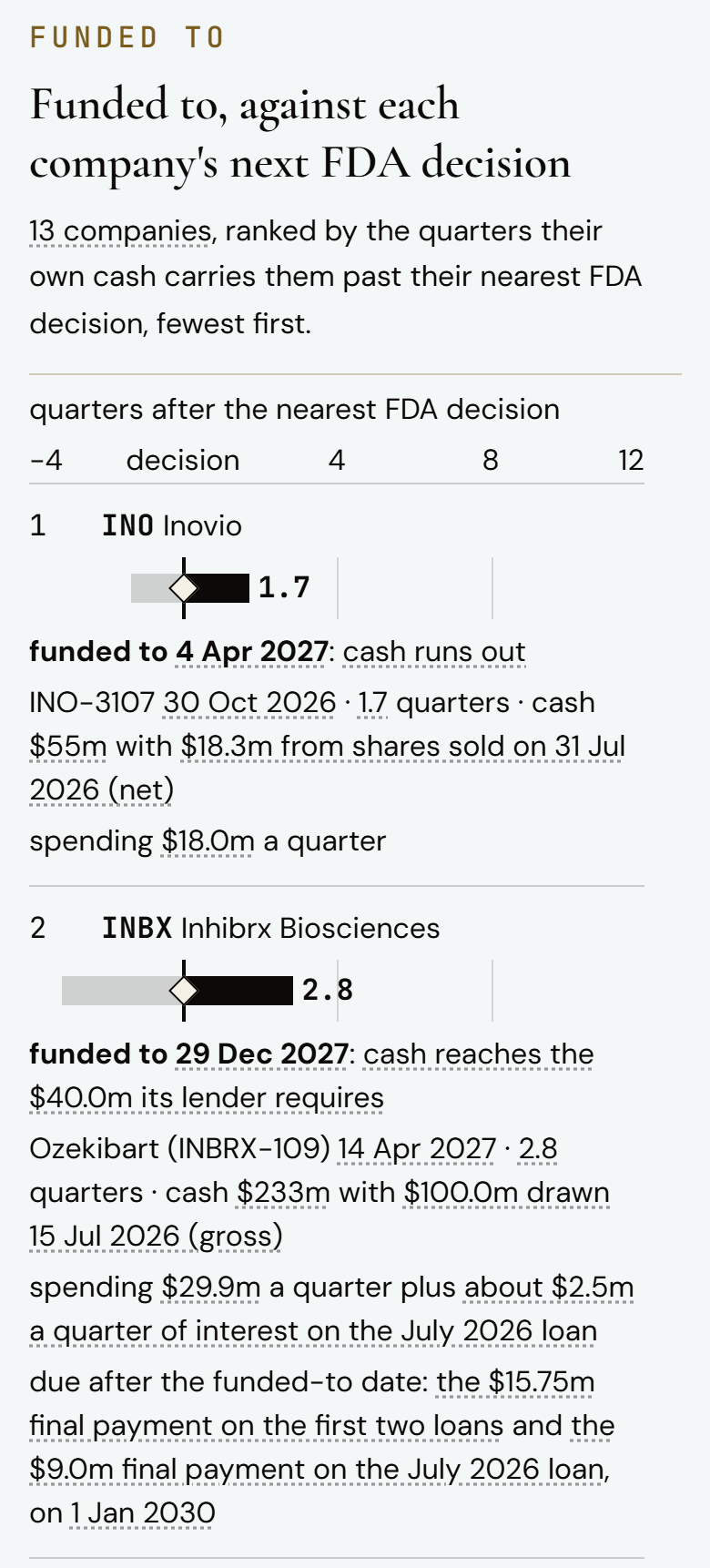
Exhibit 4 source: the Funded to view on kxco.ai/fda, read on 31 October 2026.
Inovio is first on that list too. On the room's figures it is funded to 4 April 2027, with cash of $55m including $18.3m from shares sold on 31 July 2026, against spending of $18.0m a quarter. That is 1.7 quarters past the decision.
Set beside Inovio's own timetable, the full commercial launch is planned for the first quarter of 2027, and the cash on the room's figures runs to 4 April 2027. A fund looking at Inovio after the approval sees that question in the same room as the decision. The room does not forecast how a company will pay for a launch. It shows the date the reported cash reaches, and it names the filings that cash was read from.
A record built to be checked
Fund managers have seen many models that look right until someone asks where a number came from. KXCO built the FDA ontology so that the question always has an answer on the page.
On the published page, every claim in the record carries the web address it came from and the sentence it was read from: 519 of 519.
As last published, the record held 500 entities, 519 claims, 32 drugs and 642 sources, with 280 records of people, 77 of 77 registered trials found on the registry and a major-bank price target for 23 of the 26 companies it quotes.
The room re-reads its quotes against their sources. Of the 192 quote checks in its last published run, all 156 it could reach were found word for word, and the sources it could not reach are listed as unreachable.
The room also publishes its corrections, in the same place as its findings. When the FDA target dates turned out to be the least well evidenced values in the file, 21 of them were re-read from the sponsors' own documents. When a date had no source, the room removed it rather than replacing it. When a composite score met its own backtest but ranked filings by the size of their sponsors, the room withdrew it on 23 September 2026 rather than adjusting it. A record that shows how it was corrected is one a fund can check.
What the record finds that a calendar does not
A calendar lists dates. A record of typed, dated events answers questions a calendar cannot, and the room shows three of them.
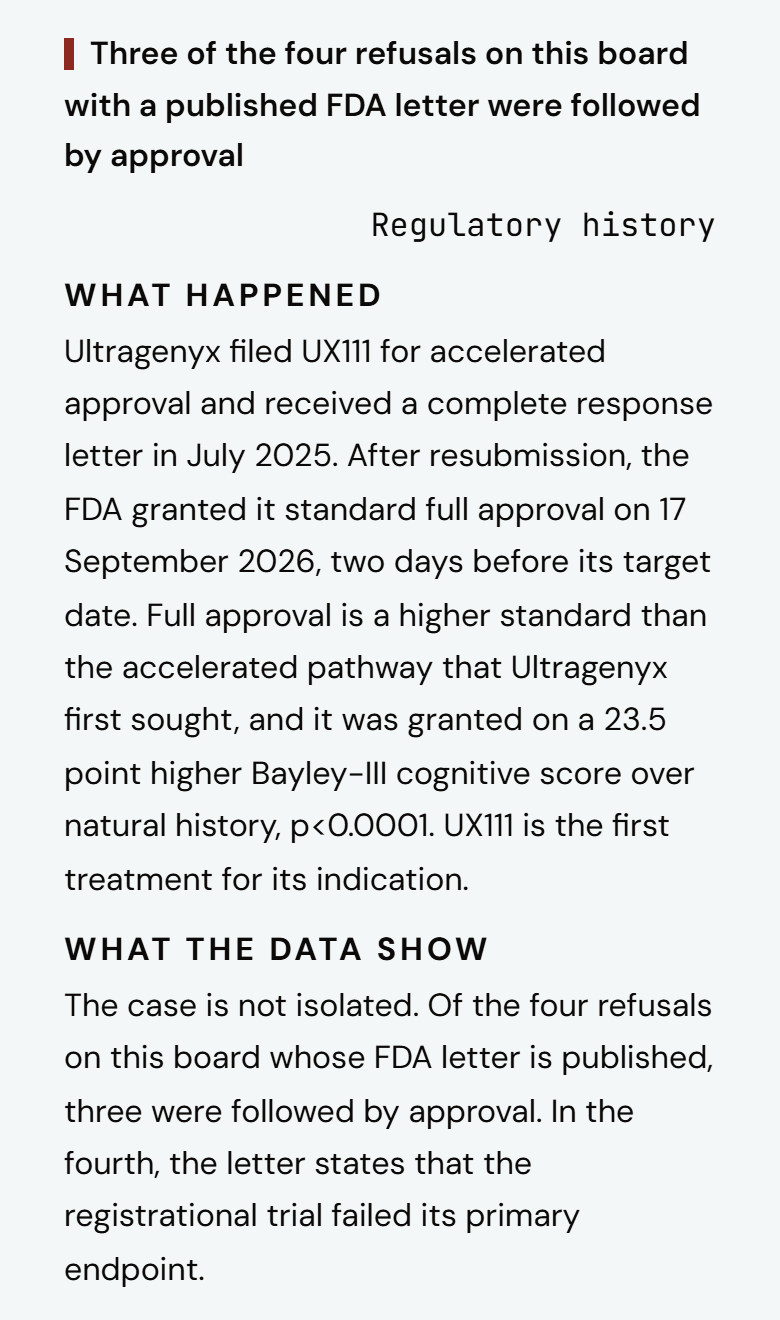
Exhibit 5 source: Key findings on kxco.ai/fda, read on 31 October 2026.
A refusal is not always the end. The FDA sends a complete response letter when it will not approve an application in its present form, under its rules for drugs and for biologics.
Of the four refusals in the room whose FDA letter is published, three were followed by approval. In the fourth, the letter states that the registrational trial failed its primary endpoint. Ultragenyx's UX111, now Fayuvi, received a complete response letter in July 2025 and then standard full approval on 17 September 2026, two days before its target date. For a fund, telling a refusal a sponsor can resolve from one that reflects a failed trial changes how the next refusal is read.
The FDA's own letters fill gaps. On 23 September 2026, the FDA's letter library showed Pixclara had been refused on 25 April 2025, a refusal the record had not held until then. The room now quotes four FDA letters with their PDFs, so a reader can see the FDA's words, not a summary of them.
People connect filings. Two of the 277 people in the record link an approved drug to a pending one: Berndt Modig and Jochen Knolle both connect to icatibant, the precedent for both of Pharvaris's drugs.
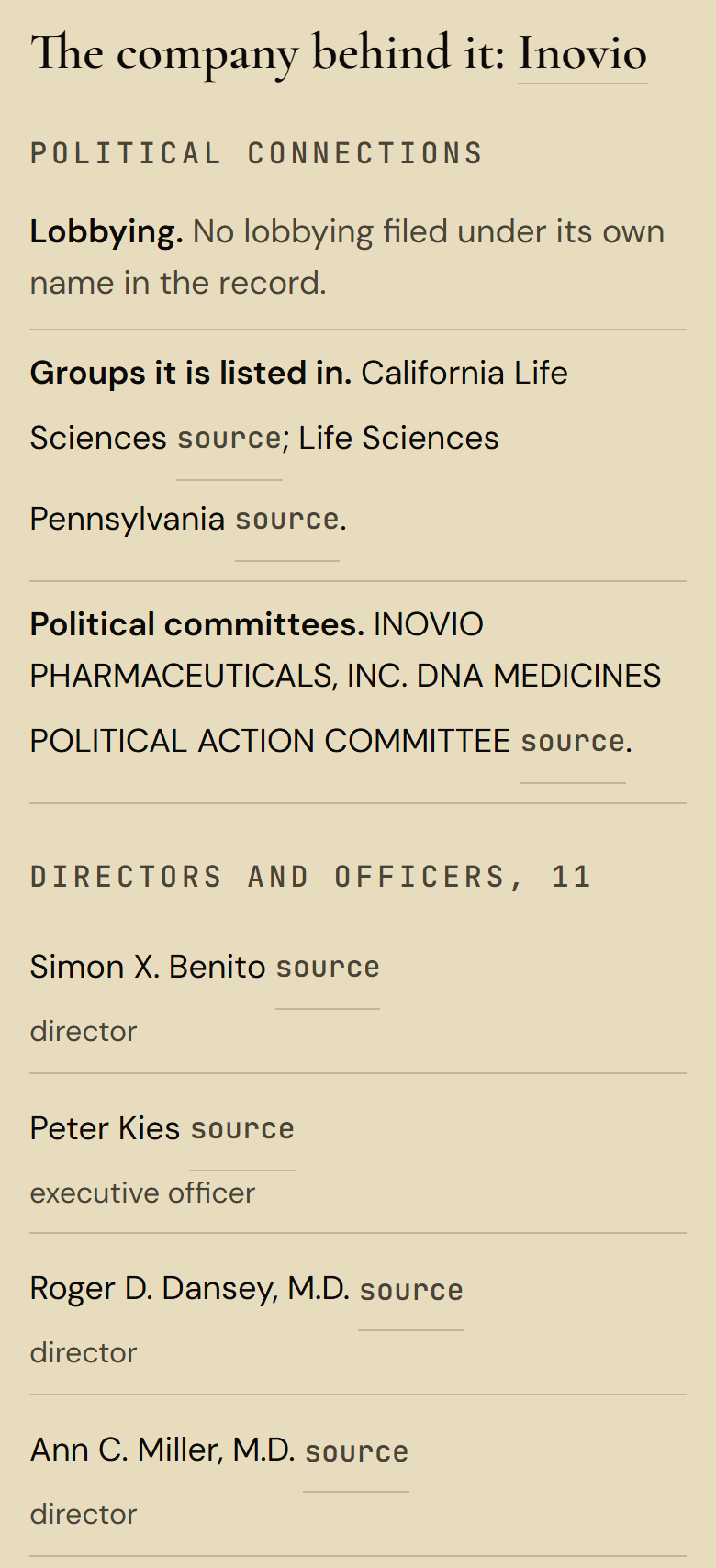
Exhibit 6 source: INO-3107's evidence sheet on kxco.ai/fda, read on 31 October 2026.
The record also reaches past each filing to the company behind it, covering lobbying, political committees and government service for every company in the room. For Inovio it records 11 directors and officers, each with a source, Inovio's DNA Medicines political action committee, its listing in California Life Sciences and Life Sciences Pennsylvania, and no lobbying filed under its own name. A fund reading a filing can see who runs the company and where it spends political effort without leaving the page.
What comes next in the room
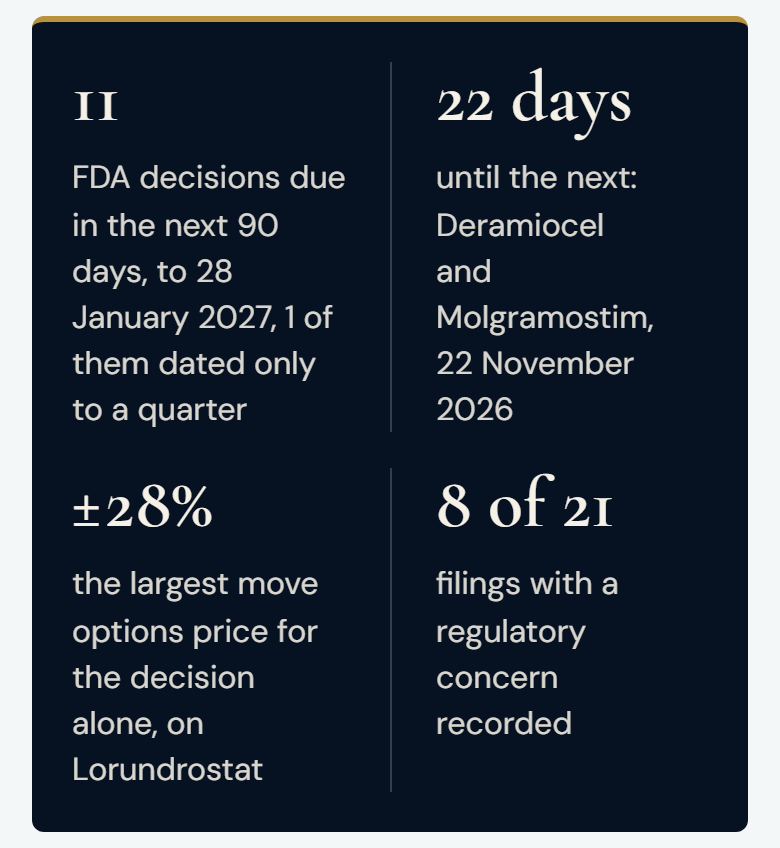
Exhibit 7 source: Decisions ahead on kxco.ai/fda, read on 31 October 2026.
INO-3107 was the first of 11 FDA decisions due in the next 90 days, to 28 January 2027. The next on the room's list are Deramiocel and Molgramostim on 22 November, BBP-418 on 27 November and Bezuclastinib on 30 November. December brings Quimilza on the 12th, Lorundrostat on the 22nd, Anito-cel on the 23rd, Relutrigine on the 27th and Bezuclastinib's second filing on the 30th. CagriSema is dated only to the fourth quarter.
The room also shows what the market prices for them. Eight of the 21 filings carry a regulatory concern on the record, and the largest move the options market prices for a decision alone is ±28%, on Lorundrostat. A fund can set the price the market puts on each decision beside the evidence the room holds for it.
Each of them sits in the same record as INO-3107: its FDA events typed and dated, its trials checked against the registry, and the people and political links behind its company drawn, with cash and the banks' targets wherever the room could read them. When the FDA acts, the record changes from the FDA's letter or the sponsor's release. INO-3107's approval reaches the live page at its first update after the market close on Monday 2 November.
How a fund would use it
The INO-3107 decision shows the room's three uses in order.
Before a decision. The first screen ranks the filings due in the next 90 days by potential return, with every input shown. The evidence sheet for each filing sets the FDA's events, the trial and the company side by side, each event marked for the filing, against it or neither, so a fund can test the ranking against the record behind it.
On the day. The twice-daily watch catches the news, and the record changes only from the FDA's letter or the sponsor's own release or filing. Once the page has taken the decision, a fund reading the room reads the document the change rests on.
After the decision. The Funded to view moves the question from the FDA to the company's cash, and the people and political links stay attached to the company as the story moves from approval to launch.
The room gives a fund's own judgement a record it can check line by line.
Built for a fund's own holdings
The public room is a sample. On 31 October it covered 21 pending FDA filings, chosen to show what the research can do. A KXCO room built for a fund covers any number of stocks, with live quotes, alerts, export and a data feed. KXCO builds the same source-linked evidence around the filings and companies a fund holds, covering every filing, FDA letter, registrational trial and insider trade, with the status of every filing checked twice a day.
The first test came on 30 October. The room had ranked INO-3107 first for nine days, the FDA approved it on its target date, and the record took in the FDA's letter the same night. A fund that wants that record built around its own book can request a briefing from KXCO.
The room is open to read, view by view: the first screen, Decisions ahead, Funded to, Key findings, INO-3107's evidence sheet and the knowledge graph.
Stock mentioned: $INO (NASDAQ).
The room's figures are a model kept for research and not an offer, a solicitation or a recommendation to buy or sell any security, and not personal advice. KXCO is a software company and holds no financial licences.
Shayne Heffernan, Ph.D., is the founder of the KnightsBridge Group (shayneheffernan.com).
What the Round Table Is Predicting in Biotech Markets
Seventeen FDA decisions fall due between 30 October 2026 and 29 June 2027, and KXCO's Round Table has called every one. Its model portfolio holds the thirteen Nasdaq companies behind them, led by BridgeBio, Cogent Biosciences and Praxis, and was signed with ML-DSA-87 and anchored on chain before the FDA acts. The first test is Inovio's INO-3107 on 30 October.

Binance: No Evidence of a Key Leak in a $6.3bn Hack. Control What Keys Sign
Binance estimates that about $6.3 billion was taken from it on 29 October 2026, and it found no evidence of any wallet private key leak. TRM Labs found Binance wallets on chain after chain produced valid signatures for the attacker within about half an hour. A valid signature proves a key signed, not that anyone with authority meant it to. Here are five controls, one for each of the attack's four reported steps and one for the trace, in post-quantum cryptography.

KXCO Upgrades Its Post-Quantum Stack: 3,522 NIST Test Cases, Zero Failures
On 29 October 2026 KXCO shipped 15 releases of 14 post-quantum packages, each with SLSA provenance. The new self-testing entry point passed all 3,522 test cases NIST's Demo test server graded, with zero failures. ML-KEM keys can now stay on a PKCS#11 v3.2 token, the scanner stamps quantum-vulnerable findings with NIST IR 8547's 2030 and 2035 dates, and five packages default to ML-KEM-1024 or ML-DSA-87, the Category 5 sets. Here is what it means for each of KXCO's 8 products.

Our Consciousness Is Linked to Our Humanity, and AI Should Extend It
The only systems in which science has strong evidence of consciousness are living animals, and the only consciousness any of us knows from the inside is human. Shayne Heffernan argues that our consciousness is linked to our humanity: it grows out of a body keeping itself alive and becomes a self through a human upbringing. AI can extend that consciousness. On today's evidence it does not share it, so AI should be built as an instrument of human minds.
Every story, signed and delivered.
Subscribe to the kxco channel and get the headline, the AI-written key takeaways, and the chain-anchor link the moment we publish. Audio versions and per-ticker subscriptions arrive in the next iteration.